
Article
Smile-Zone Ridge Anatomy and Biotype Essentials
Placing implants in the smile zone is less about titanium and more about tissue behavior. Even a 1 mm recession can alter patient-perceived success. Often, the primary determinant isn’t the implant itself, but the ridge anatomy and biotype identified at the start of treatment. When these are evaluated thoroughly, the need for invasive augmentation is reduced.
Understanding the Ridge: Where Aesthetics Begin
The anterior maxillary ridge often presents with a thin facial cortical plate, typically around 0.5–1.0 mm in thickness¹. After extraction, this thin plate is prone to physiologic resorption, contributing to mid-facial collapse, black triangles, and papilla deficiency. A CBCT evaluation is strongly recommended for accurate assessment of facial plate thickness and defect morphology².
Ridge Anatomy in the Smile Zone
The alveolar ridge in the esthetic zone poses unique challenges due to its visibility and tendency to remodel after tooth extraction. Understanding its key features helps clinicians plan implant placement and soft-tissue management effectively.
Key Structural Features
Buccolingual Ridge Width: The ridge narrows after extraction, with the greatest changes occurring near the crest. This makes early assessment and ridge preservation critical to maintain bone volume for optimal implant placement.
Vertical Ridge Height: Maintaining vertical height is essential for prosthetic emergence and soft-tissue support. The buccal ridge is particularly susceptible to resorption, influenced by the thickness of the facial bone.
Crestal Bone Contour: The contour and thickness of the crestal bone affect implant angulation and esthetic outcomes. Thin buccal bone is more prone to vertical loss, while thicker bone provides better stability and predictable healing.
Clinical Implications
- Assess ridge anatomy and bone thickness using CBCT or clinical tools before extraction or implant placement.
- Ridge preservation techniques, such as socket grafting with bone substitutes and membranes, can help maintain ridge volume.
- Thin buccal bone may require early intervention or augmentation to prevent soft-tissue collapse and esthetic compromise.
Pro Tip: Always assess buccal bone thickness pre-extraction. Thin phenotypes may require early intervention to prevent esthetic compromise and optimize long-term implant outcomes.
Biotype Classification and Its Impact3
Gingival biotype refers to the thickness and morphology of soft tissue around teeth and implants. It is broadly classified into:
- Thin Biotype: Delicate, translucent tissue with a scalloped margin. More prone to recession and bone loss post-surgery.
- Thick Biotype: Dense, fibrotic tissue with a flatter contour. Offers greater resistance to trauma and more predictable healing.
Biotype assessment is crucial for selecting surgical techniques and materials. For example, thin biotypes may benefit from soft tissue grafting or flapless approaches to reduce recession risk.
Pro Tip: Use a periodontal probe or CBCT to assess biotype early. It can guide flap design and grafting decisions.
Minimally Invasive Bone Augmentation Techniques
These techniques aim to enhance bone volume while preserving soft tissue integrity and reducing surgical trauma:
- Tunnel Techniques: Avoid flap elevation, maintaining vascular supply and reducing scarring. These are especially useful in esthetic zones where soft tissue preservation is critical4.
- Piezosurgery: Uses ultrasonic microvibrations for precise bone manipulation with minimal trauma. Although widely regarded for its precision and safety, a recent five-year study found no statistically significant difference in marginal bone loss or soft tissue outcomes compared to rotary drills5.
- Intrasocket Guided Bone Regeneration (GBR): Regenerates bone within the extraction socket using membranes and bone substitutes. Ideal for ridge preservation with minimal surgical exposure6.
These techniques are most effective when tailored to the patient’s ridge anatomy and biotype, enabling predictable and esthetically pleasing outcomes.
Pro Tip: Combine intrasocket GBR with flapless implant placement in thick biotypes for optimal esthetic results.
Final Takeaway
Success in the smile zone hinges on precision, planning, and preservation. By understanding ridge anatomy and biotype, and applying minimally invasive techniques like tunnel access, piezosurgery, and intrasocket GBR, clinicians can reduce surgical trauma and enhance esthetic predictability.
Remember: The implant is just the beginning. The real artistry lies in managing the tissue.
Reference
1. Song Y, Yang S, Wang C. Morphology and thickness of the buccal bone wall of the maxillary central incisors in population: a CBCT study. Frontiers in Dental Medicine. 2024 Nov 29;5:1472028.
2. Sheerah H, Othman B, Jaaf ar A, Alsharif A. Alveolar bone plate measurements of maxillary anterior teeth: A retrospective Cone Beam Computed Tomography study, AlMadianh, Saudi Arabia. The Saudi dental journal.2019 Oct 1;31(4):437-44
3. Kao RT, Fagan MC, Conte GJ. Thick vs. thin gingival biotypes: a key determinant in treatment planning f or dental implants. Journal of the calif ornia dental association. 2008 Mar 1;36(3):193-8.
4. Sivolella S, Brunello G, Castagna DA, Cavallin F, Consolo U. Tunnel Technique in Bone Augmentation Procedures for Dental Implant Rehabilitation: A Systematic Review. Dentistry Journal. 2024 Dec 11;12(12):405.
5. Azaripour A, Farina VS, Esposito M, Buti J, Al-Nawas B, Sagheb K. Dental implant site preparation with conventional rotary drill or piezosurgery: five-year after placement results from a within person randomised controlled trial. International Journal of Implant Dentistry. 2024 Dec 18;10(1):64.
6. Elian N, Jalbout ZN, Cho SC, Froum S, Tarnow DP. Minimally invasive guided bone regeneration techniques for hard and soft tissue augmentation with simultaneous immediate implant placement. In: Dental Implant Complications: Etiology, Prevention, and Treatment. PocketDentistry; [cited 2025 Nov 10]. Available from: https://pocketdentistry.com/minimally-invasive-guided-bone-regeneration-techniques-for-hard-and-soft-tissue-augmentation-with-simultaneous-immediate-implant-placement/
Related Contents
Video
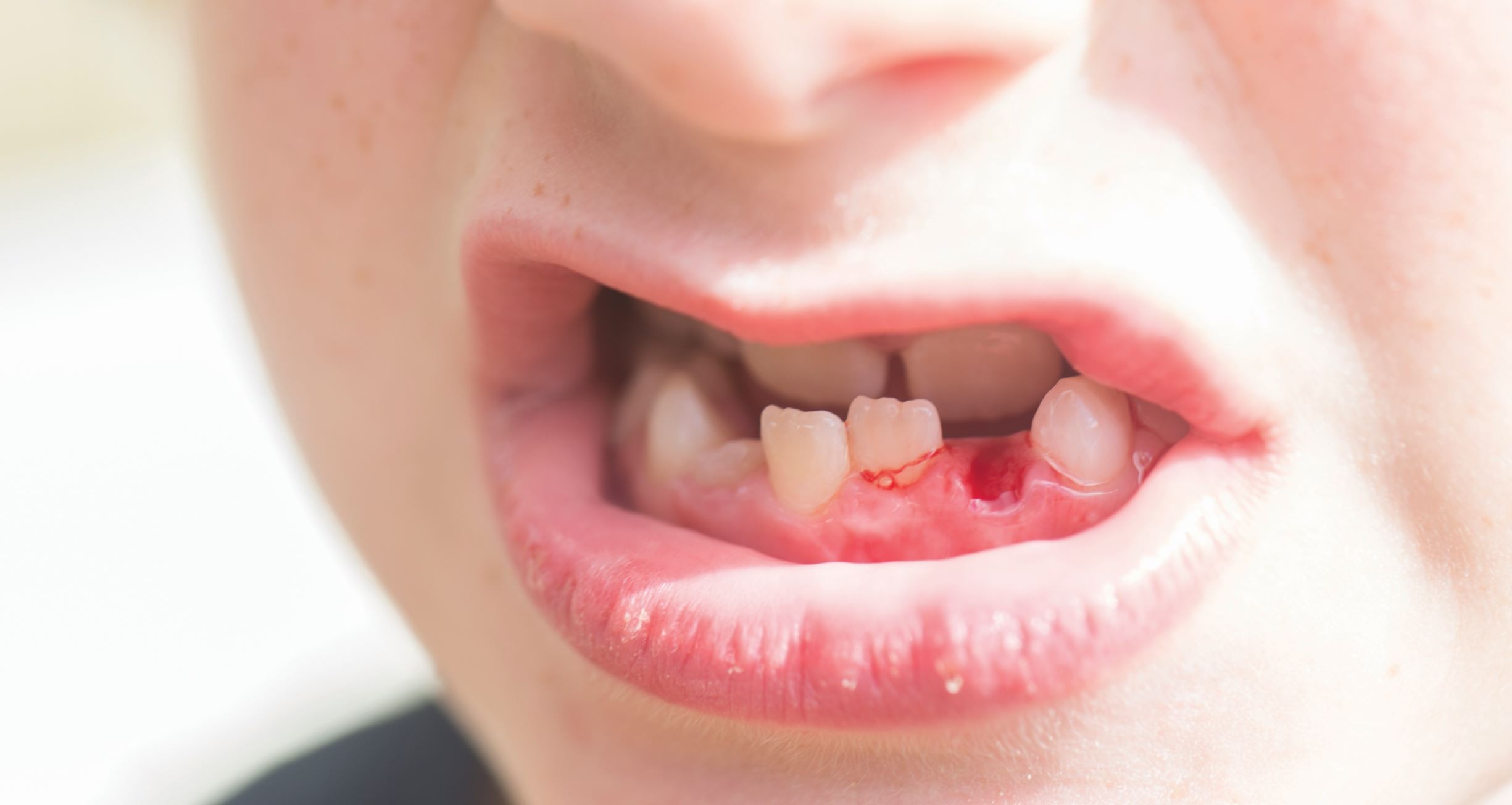
Management of Traumatic Tooth Avulsion: When & How?
Traumatic tooth avulsion is a true dental emergency requiring immediate and structured management to...
Article
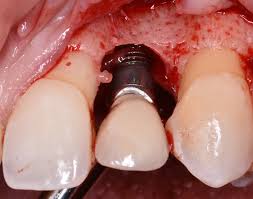
Prosthetic Design Factors That Prevent Peri-Implant Bone Loss
You placed the implant perfectly. Osseointegration was flawless. But three years later, there is 3mm...
Article
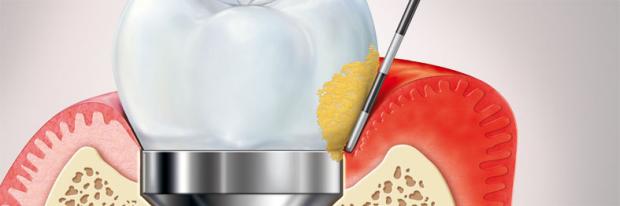
Treatment Algorithms for Peri-Implant Mucositis and Peri-Implantitis
You can prevent most peri-implant disease. But once it develops, treatment becomes less predictable....
Article
Implant Surface Decontamination: What Actually Works
Treating peri-implantitis starts with one critical step, which is decontaminating the implant surfac...
Article
Growth & Facial Asymmetry: When to Worry
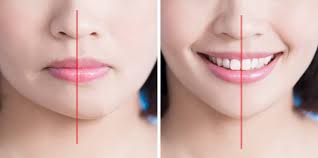
Only a few dentists can notice it and realize the asymmetry can signal an underlying skeletal imbala...
Article
Orthodontic Red Flags Every Dentist Should Recognize: Functional Habits and Airway Cues
Some malocclusions cases stall for reasons you can’t see on a scan, as not...
Article
Tooth Eruption & Space Management: What Orthodontists Should Watch For
Tooth eruption may not alwaxfys fit the predictable biological timeline. A delayed or ecto...
Article
Communication & Referral Timing: Getting It Right
You have identified a problem, maybe a severe Class III malocclusion in a 9-year-old, or it is an im...