
Article
Why Restorations Fail: Adhesive Fatigue, Bond Degradation
Restorations remain the most frequently performed dental procedure, yet they also have one of the highest long-term failure rates. Understanding why they fail is now just as important as how we place them.
So, we have modern research laid out for you that offers clearer explanations on why restorations truly fail and how clinicians can prevent the breakdown.
Restoration Failure Reasons
Restoration failure isn’t mostly sudden; it is a progressive breakdown of the hybrid layer that may happen due to mechanical stress and hydrolysis.
Here are some common reasons:
- Adhesive Fatigue Starts Within the First Year
Universal adhesives encounter rapid loss of bond strength in dentin, especially under mechanical and thermal stress1.
At the same time, application mode, which can be etch-and-rinse or self-etch, may also influence longevity.
Studies reveal that both hydrolytic and enzymatic degradation lead to early dentin bond loss.
Latest evidence suggests that universal adhesives perform best when proper technique is followed, but remain vulnerable at dentin margins2.
- Enamel Bonds Last Longer, but Dentin Bonds Don’t
Enamel’s crystal structure allows stable etch-and-rinse bonding. Whereas, dentin’s moisture and collagen can make it prone to degradation1.
Restorations fail faster in high C-factor cavities where stress is concentrated.
A high C-factor cavity is a preparation where most walls are bonded and only a few walls are free.
- Contamination Reduces Bond Strength by Up to 50%
Saliva, blood, hemostatic agents, glove powder, oil from handpieces, wet dentin, and excess moisture can reduce immediate and long-term bond strength3.
It is seen that universal adhesives are more sensitive to contamination than manufacturers claim. Effective cleaning protocols post-contamination remain essential.
- Hybrid Layer Degradation Is MMP-Driven
This slow biochemical breakdown continues for years unless actively inhibited.
Matrix metalloproteinases (MMP-2, MMP-9) activated during bonding can slowly destroy collagen fibrils, causing microleakage and staining, and may lead to sensitivity. Chlorhexidine and MMP inhibitors have been shown to delay degradation4.
- Technique Errors Accelerate Failure
Even with the best adhesives, failures are often operator-induced. Inadequate solvent evaporation, incorrect adhesive mode selection, under-curing, and compromised isolation can all weaken the hybrid layer from day one.
These technique-sensitive steps can directly influence postoperative stability and, in turn, long-term success.
Beyond technique, the choice of restorative material itself also plays a critical role in long-term success.
Where Restorations Actually Fail?
Understanding failure locations helps predict which restorations need closer monitoring:
Gingival Margins
It is one of the most common failure site and reasons include:
- Difficult moisture control
- Thin enamel margins
- High stress concentration
- Subgingival location complicates bonding
Isthmus Regions
Class II restorations fail at the isthmus due to6:
- Maximum polymerization stress concentration
- High C-factor
- Inadequate bulk in thin areas
- Cyclic loading stress
Proximal Boxes
It may happen due to:7
- Limited access for adequate etching
- Moisture contamination from adjacent teeth
- Inadequate light curing
- High bacterial exposure
Clinical Strategies That Actually Work
Here are a few strategies that can help maintain good restorations-
- MMP Inhibition
Chlorhexidine (CHX) application after acid etching can preserve bond strength in the long run.
Protocol: Apply 2% CHX to etched dentin for 60 seconds after phosphoric acid rinse, before you apply the adhesive. Clinical studies demonstrate this prevents bond degradation for extended periods4.
Alternative inhibitors:
Zinc oxide nanoparticles in adhesives
Doxycycline-modified adhesives
Cross-linking agents like glutaraldehyde, carbodiimide
- Optimize Adhesive Strategy
For maximum bond durability you can try7:
- Selective enamel etching with self-etch systems
- Avoid over-etching dentin
- Never over-dry after etching
- Apply adhesive in multiple thin coats
- Extend adhesive application time to allow penetration
- Stress Management
You can reduce polymerization stress with these steps6:
- Incremental layering of max 2mm layers
- Use soft-start or pulse-delay curing protocols
- Consider low-shrinkage materials for large cavities
- Place liner/base in high C-factor situations
- Margin Location Matters
You can opt these if possible8 -
- Locate margins on enamel that provide superior bond strength
- Avoid subgingival margins unless necessary
- Use immediate dentin sealing for indirect restorations
- Consider crown lengthening for deep proximal boxes
Final Takeaway
The success ultimately will depend on meticulous technique, which includes stress reduction, moisture control, and occlusal adjustment.
Even the best materials cannot compensate for poor clinical execution. Therefore, sticking to evidence-based protocols is crucial for long-lasting, comfortable restorations.
References
- Hardan L, Bourgi R, Kharouf N, Mancino D, Zarow M, Jakubowicz N, Haikel Y, Cuevas-Suárez CE. Bond strength of universal adhesives to dentin: a systematic review and meta-analysis. Polymers (Basel). 2021 Mar 7;13(5):814.
- Ñaupari-Villasante R, Matos TP, de Albuquerque EG, Warol F, Tardem C, Signorelli Calazans F, Poubel LA, Reis A, Barceleiro MO, Loguercio AD. Five-year clinical evaluation of universal adhesive applied following different bonding techniques: a randomized multicenter clinical trial. Dent Mater. 2023 Jun;39(6):586-594.
- Chen AMC, Ekambaram M, Li KC, Cooper PR, Mei ML. A scoping review of the influence of clinical contaminants on bond strength in direct adhesive restorative procedures. J Dent. 2024 Jun;145:104985.
- Kiuru O, Sinervo J, Vähänikkilä H, Anttonen V, Tjäderhane L. MMP inhibitors and dentin bonding: systematic review and meta-analysis. Int J Dent. 2021 May 29;2021:9949699.
- Miletić I, Baraba A, Jukić Krmek S, Perić T, Marković D, Basso M, Atalayin Ozkaya C, Kemaloğlu H, Turkun LS. Clinical performance of a glass-hybrid system in comparison with a resin composite in two-surface class II restorations: a 5-year randomised multi-centre study. Clin Oral Investig. 2024 Jan;28(1):104.
- Bardocz-Veres Z, Miklós ML, Biró EK, Kántor ÉA, Kántor J, Dudás C, Kerekes-Máthé B. New perspectives in overcoming bulk-fill composite polymerization shrinkage: the impact of curing mode and layering. Dent J (Basel). 2024 Jun 5;12(6):171.
- Bourgi R, Kharouf N, Cuevas-Suárez CE, Lukomska-Szymanska M, Haikel Y, Hardan L. A literature review of adhesive systems in dentistry: key components and their clinical applications. Appl Sci (Basel). 2024;14(18):8111.
- Cardoso JA, Almeida PJ, Negrão R, Oliveira JV, Venuti P, Taveira T, Sezinando A. Clinical guidelines for posterior restorations based on Coverage, Adhesion, Resistance, Esthetics, and Subgingival management (CARES concept): Part I – partial adhesive restorations. Int J Esthet Dent. 2023 Jul 18;18(3):244–265.
Related Contents
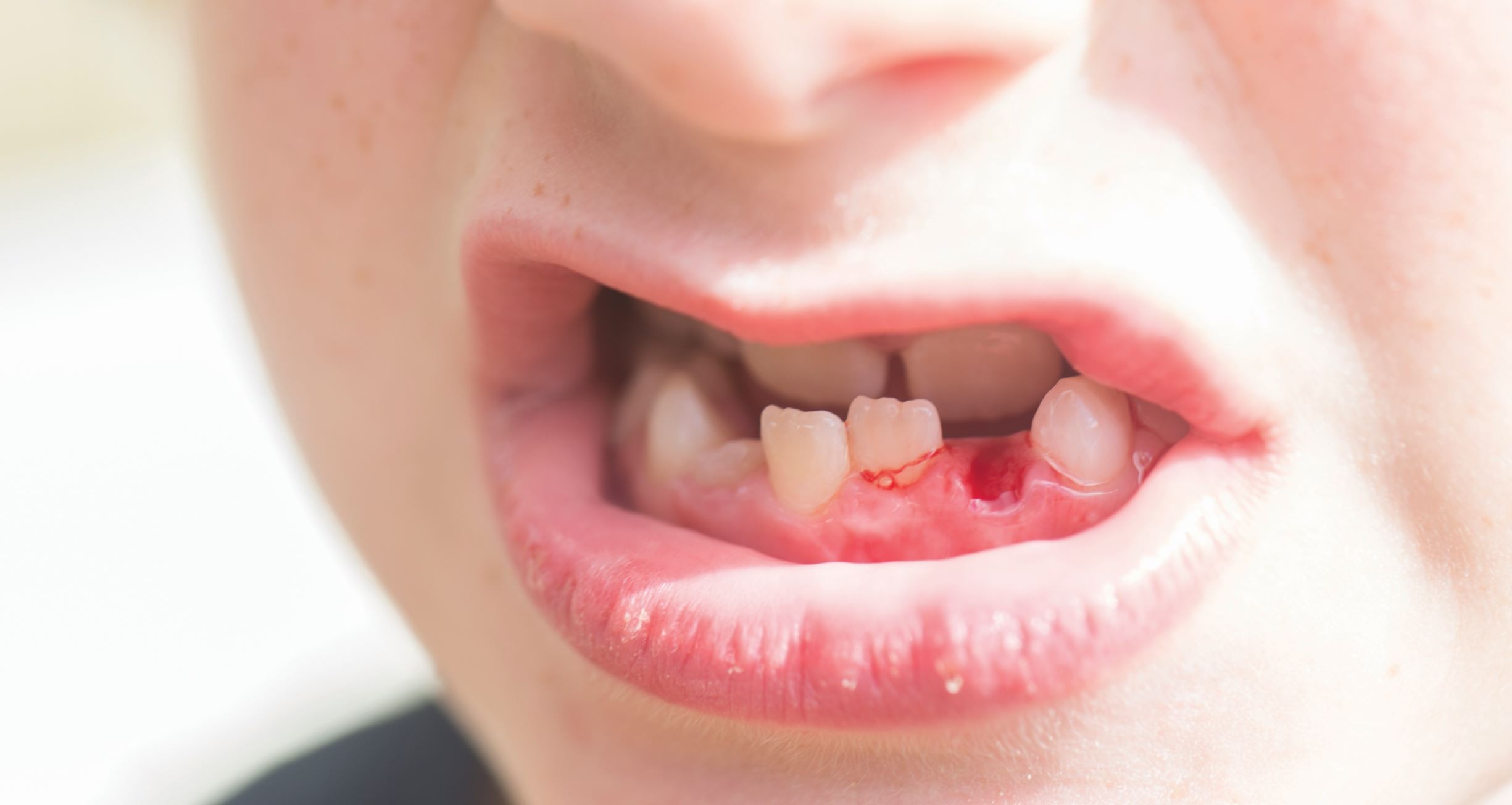
Video
Management of Traumatic Tooth Avulsion: When & How?
Traumatic tooth avulsion is a true dental emergency requiring immediate and structured management to...
Article
Prosthetic Design Factors That Prevent Peri-Implant Bone Loss
You placed the implant perfectly. Osseointegration was flawless. But three years later, there is 3mm...
Article
Treatment Algorithms for Peri-Implant Mucositis and Peri-Implantitis
You can prevent most peri-implant disease. But once it develops, treatment becomes less predictable....
Article
Implant Surface Decontamination: What Actually Works
Treating peri-implantitis starts with one critical step, which is decontaminating the implant surfac...
Article
Growth & Facial Asymmetry: When to Worry
Only a few dentists can notice it and realize the asymmetry can signal an underlying skeletal imbala...
Article
Orthodontic Red Flags Every Dentist Should Recognize: Functional Habits and Airway Cues
Some malocclusions cases stall for reasons you can’t see on a scan, as not...
Article
Tooth Eruption & Space Management: What Orthodontists Should Watch For
Tooth eruption may not alwaxfys fit the predictable biological timeline. A delayed or ecto...
Article
Communication & Referral Timing: Getting It Right
You have identified a problem, maybe a severe Class III malocclusion in a 9-year-old, or it is an im...