
Article
5 Biggest Revenue Leaks in Dentistry and How to Fix Them
Even if a dental practitioner is amazing at spotting a crack in a patient’s tooth, what about the cracks in the dental practice?
Many dental practitioners work tirelessly to deliver outstanding clinical care, yet overlook the silent money leaks that drain profitability month after month. Hidden revenue leaks might be to blame. Let’s shed some light on them and stop the drip before it turns into a flood.
Here is the list of the 5 biggest revenue leaks:
Leak 1: Inefficient Scheduling and Open Chair Time
Industry data show that practices can boost production by up to 25–30% simply by tightening scheduling gaps and reducing no‑shows1.
Solution:
- Audit your past 6 months to track every empty chair slot and measure average patient wait times.
- Invest in a modern, automated recall and confirmation system.
- Train your front‑desk team to offer the next available appointment at checkout and don’t wait for patients to call in.
Leak 2: Incomplete Treatment Acceptance
Even when you present the ideal treatment plan, a significant share of patients never follow through. This means you leave real revenue on the table.
In a recent survey of 771 patients recommended for endodontic or restorative therapy, only 68.5 % actually underwent the treatment, which accounts for 30% of lost treatment opportunities2.
Solution:
- Use high-impact visuals and before-and-after case photos in every consultation.
- Practice mock consultations with your team so they can smoothly turn around “I’ll think about it” statements.
- Offer flexible payment plans, such as in-house financing or third-party options, to remove cost barriers.
Leak 3: Outdated or Ineffective Fee Structures
Henry Schein’s Fee Balancing (HSPA) analysis demonstrates that practices that update their fees every 12 months can see an increase of almost 8–15 per cent in annual revenue, just by aligning fees with market percentiles and inflation3.
Solution:
- Calibrate your fees annually according to regional and national data.
- Communicate fee changes clearly and focus on the value and quality you deliver, and not just the price.
- Bundle popular services, like hygiene and periodic exams, into preventive‑care memberships.
Leak 4: Insurance Overdependence and Write‑Offs
Only an estimated 10–15% of Indian dental patients carry any form of dental rider on their health insurance policies. Practices that accept and process these claims still see around 25% of billed amounts written off due to non-covered procedures, claim rejections, or administrative errors4.
Solution:
- Run a 90‑day claim audit. Identify the insurers and procedure codes with the highest rejection rates and refine your submission protocols.
- Educate patients and clearly explain which services are and aren’t covered, so they are prepared for out‑of‑pocket costs rather than surprised by a write‑off.
- Streamline your systems and consider accepting only a few plans which have reasonable coverage and fast turnaround. Other than that, communicate about fee‑for‑service for treatments outside those networks.
Leak 5: Missed Opportunities for Ancillary Services
Data from the Journal of the American Dental Association show that practices that actively market cosmetic and wellness services see a 15–20% uplift in ancillary revenues within a year5.
Solution:
- Train your hygiene team to identify cosmetic concerns, like staining or minor misalignment and discuss options.
- Create simple, in‑office brochures and digital content on whitening, clear aligners, and wellness plans.
- Run periodic “smile makeover” events or limited‑time offers to drive patient interest.
Final Takeaway
Plugging revenue leaks isn’t about squeezing more out of patients; it is about delivering more value and getting paid fairly for the quality you provide. Start small by addressing one leak at a time, and you will see steady growth in both revenue and patient satisfaction.
References
- Levin RP. Higher production and long‑awaited stability: The 2024 DE/Levin Group Annual Practice Survey [Internet]. Dent Econ; 2024 May 8[cited 2025 Jul 1]
- Mohan S, Viswanath B, Kumar G, Priyank H. Questionnaire‑Based Assessment of Patients’ Knowledge, Attitude, and Practices Regarding Restorative and Endodontic Treatment at a Multi‑disciplinary Tertiary Care Hospital of Jharkhand, India [Internet]. Cureus. 2024May 2;16(5):e59526.
- Henry Schein Dental. Fee Balancing: How Annual Fee Schedule Reviews Drive 8–15 Percent Revenue Growth [Internet]. Dental Practice Transitions; 2023.
- Insurance Regulatory and Development Authority of India. Annual Report 2022–23 [Internet]. Mumbai: IRDAI; 2023.
- American Academy of Cosmetic Dentistry. AACD 2022 State of the Cosmetic Dentistry Industry Survey. Dentistry Today [Internet]. 2022 Nov 3 [cited 2025 Aug 27]
Related Contents
Video
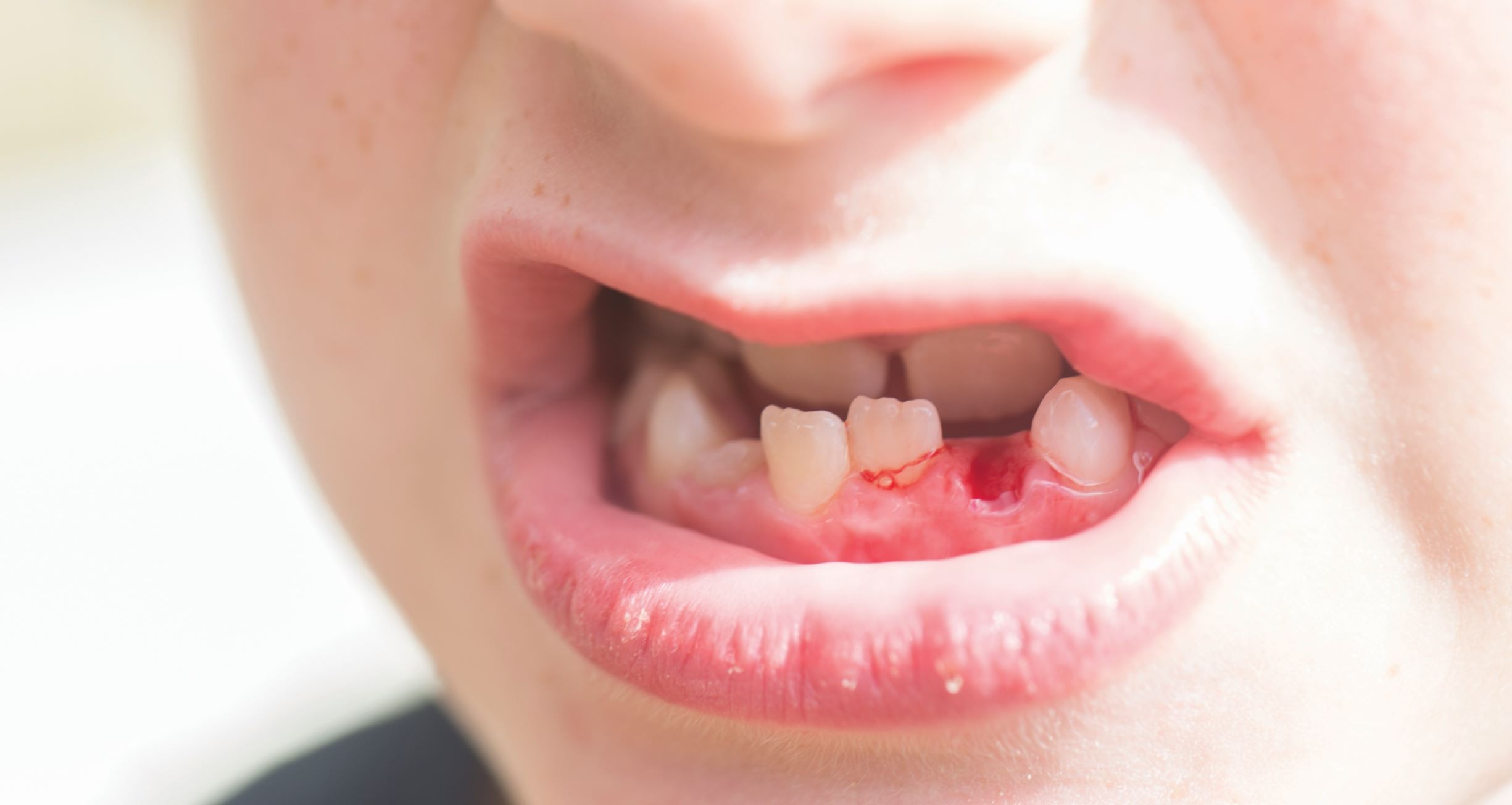
Management of Traumatic Tooth Avulsion: When & How?
Traumatic tooth avulsion is a true dental emergency requiring immediate and structured management to...
Article
Prosthetic Design Factors That Prevent Peri-Implant Bone Loss
You placed the implant perfectly. Osseointegration was flawless. But three years later, there is 3mm...

Article
Treatment Algorithms for Peri-Implant Mucositis and Peri-Implantitis
You can prevent most peri-implant disease. But once it develops, treatment becomes less predictable....
Article
Implant Surface Decontamination: What Actually Works
Treating peri-implantitis starts with one critical step, which is decontaminating the implant surfac...

Article
Growth & Facial Asymmetry: When to Worry
Only a few dentists can notice it and realize the asymmetry can signal an underlying skeletal imbala...
Article
Orthodontic Red Flags Every Dentist Should Recognize: Functional Habits and Airway Cues
Some malocclusions cases stall for reasons you can’t see on a scan, as not...
Article
Tooth Eruption & Space Management: What Orthodontists Should Watch For
Tooth eruption may not alwaxfys fit the predictable biological timeline. A delayed or ecto...
Article
Communication & Referral Timing: Getting It Right
You have identified a problem, maybe a severe Class III malocclusion in a 9-year-old, or it is an im...