
Article
Video as a Patient Education & Engagement Tool
When was the last time a patient remembered every instruction, you gave them in the clinic? Most forget at least half of those and miss instructions can lead to avoidable complications.
What if there were a way to make your guidance stick?
Here comes the power of visual learning. Not many realize, but it can be a game changer in dentistry1.
Why Videos Are a Game-Changer for Dentists
Videos are effective because
- Grabs Attention Instantly: In comparison to text or images, videos are more engaging, keeping patients interested.
- Boosts Patient Understanding: Visual representation allows complex treatments to become easy to grasp.
- Build Trust and Credibility: Sharing real patient testimonials and procedures helps to create trust and confidence.
- Increases Engagement and Retention: Patients remember what they watch far better than what they read.
- Improves Online Visibility: Videos enhance SEO, social media reach, and website traffic, the most crucial requirement to reach maximum patients in and around your locality.
Tips to Make Engaging Videos
- Keep it short and snappy. 30–60 seconds is ideal and best for social media platforms.
- Use visuals over text
- Add the subtitles. This will help people to watch anywhere and anytime.
- Don’t forget to include call-to-action
- Leverage real-life scenarios, not just theory
Quick Wins: Video Examples That Really Work
- Daily oral hygiene hacks for kids
- What to expect during a root canal
- How to care for your braces
- Tips for managing post-extraction care
Even a short clip of 30–60 seconds can make a significant difference in patient understanding and compliance. Interestingly, studies have also shown that 65% of individuals are visual learners2.
Practical Uses: Beyond Education
Do you know videos can boost your practice too? Here’s how and the right way to use them.
|
Why Use Videos |
Where to Use Videos |
|
Easily shareable, allowing patients to spread the word to friends and family. |
Online platforms such as social media, website, YouTube, WhatsApp. |
|
Builds trust and positions you as a patient-focused dentist. |
Play videos to engage patients while they wait in the waiting room. |
|
Improves digital visibility and credibility. |
Use procedural videos in the consultation rooms to show treatment options, procedures, and outcomes. |
|
Reduces patient fear and anxiety3 |
Before treatment and during patient follow-ups. This will let them know the success rate and aftercare required. |
Final Thought
Video creation is not just a trend but a bridge between information and engagement, fear and trust and more importantly between your practice and patient community. So, when are you going to shoot you first clip?
Because in dentistry, trust is everything, and video builds it faster than words ever could!
Reference
- Jawed S, Amin HU, Malik AS, Faye I. Classification of visual and non-visual learners using electroencephalographic alpha and gamma activities. Frontiers in behavioral neuroscience. 2019 May 7;13:86.
- McNab M, Skapetis T. Why video health education messages should be considered for all dental waiting rooms. PLoS One. 2019 Jul 16;14(7):e0219506.
- Gazal G, Tola AW, Fareed WM, Alnazzawi AA, Zafar MS. A randomized control trial comparing the visual and verbal communication methods for reducing fear and anxiety during tooth extraction. The Saudi Dental Journal. 2016 Apr 1;28(2):80-5.
Related Contents
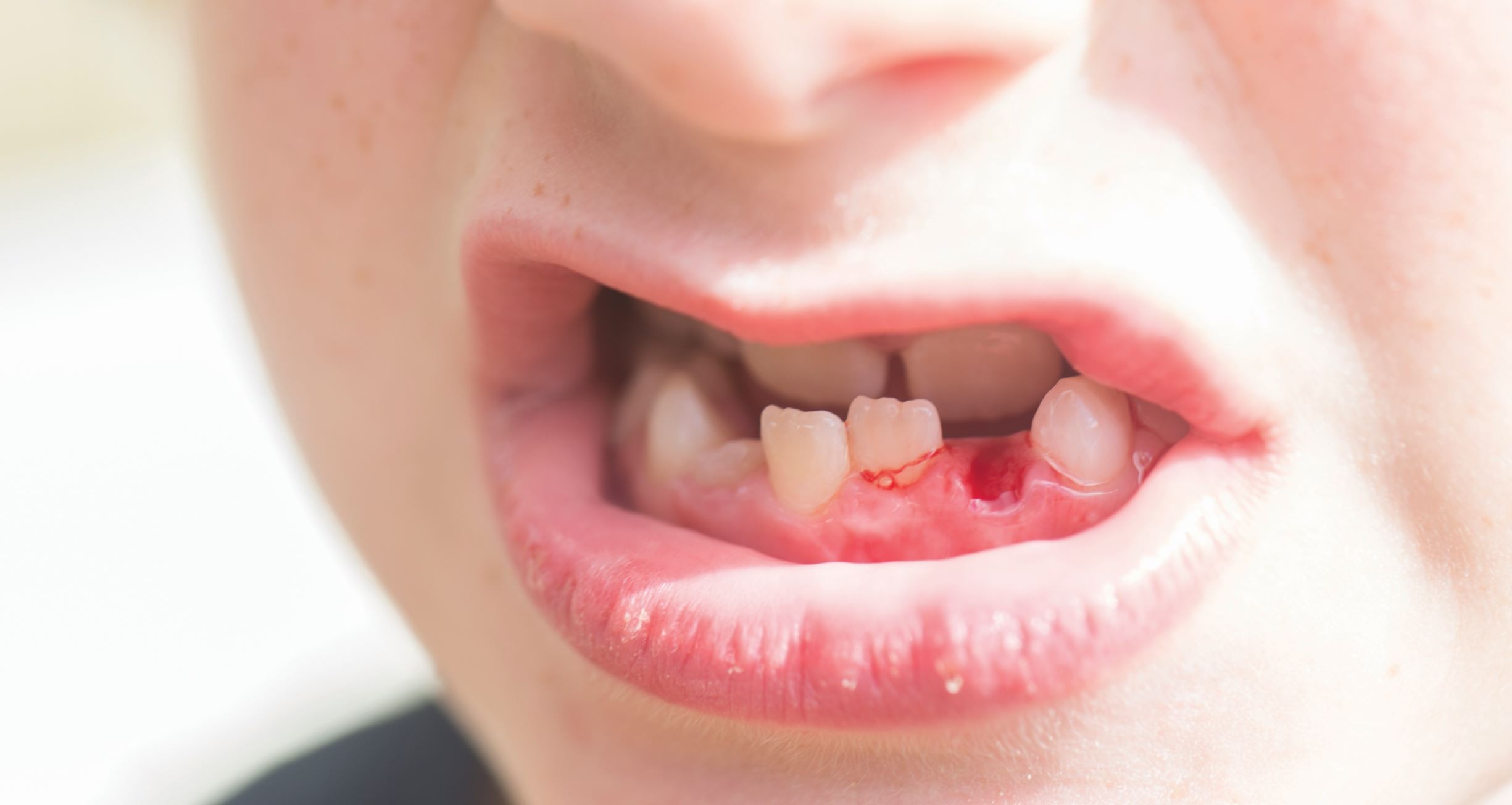
Video
Management of Traumatic Tooth Avulsion: When & How?
Traumatic tooth avulsion is a true dental emergency requiring immediate and structured management to...
Article
Prosthetic Design Factors That Prevent Peri-Implant Bone Loss
You placed the implant perfectly. Osseointegration was flawless. But three years later, there is 3mm...

Article
Treatment Algorithms for Peri-Implant Mucositis and Peri-Implantitis
You can prevent most peri-implant disease. But once it develops, treatment becomes less predictable....
Article
Implant Surface Decontamination: What Actually Works
Treating peri-implantitis starts with one critical step, which is decontaminating the implant surfac...
Article
Growth & Facial Asymmetry: When to Worry
Only a few dentists can notice it and realize the asymmetry can signal an underlying skeletal imbala...

Article
Orthodontic Red Flags Every Dentist Should Recognize: Functional Habits and Airway Cues
Some malocclusions cases stall for reasons you can’t see on a scan, as not...
Article
Tooth Eruption & Space Management: What Orthodontists Should Watch For
Tooth eruption may not alwaxfys fit the predictable biological timeline. A delayed or ecto...
Article
Communication & Referral Timing: Getting It Right
You have identified a problem, maybe a severe Class III malocclusion in a 9-year-old, or it is an im...