Video
Veneers vs Crowns: A Simple Decision Pathway Dentists Can Use Tomorrow
Choosing between dental crowns and veneers requires a structured assessment of tooth biology, biomechanics, and patient behavior. Crowns are preferred when teeth have compromised structure, extensive restorations, high occlusal forces, or a history of endodontic treatment, as they provide full coverage and reinforcement. Veneers, on the other hand, are ideal for healthy teeth with primarily aesthetic concerns, offering conservative enhancement with minimal preparation. A comprehensive evaluation of enamel quality, occlusal load, parafunctional habits, and patient expectations ensures the correct restoration is selected. This biologically driven and behaviour-guided decision-making approach helps predict long-term success, optimize function, and achieve high patient satisfaction.
Related Contents
Video
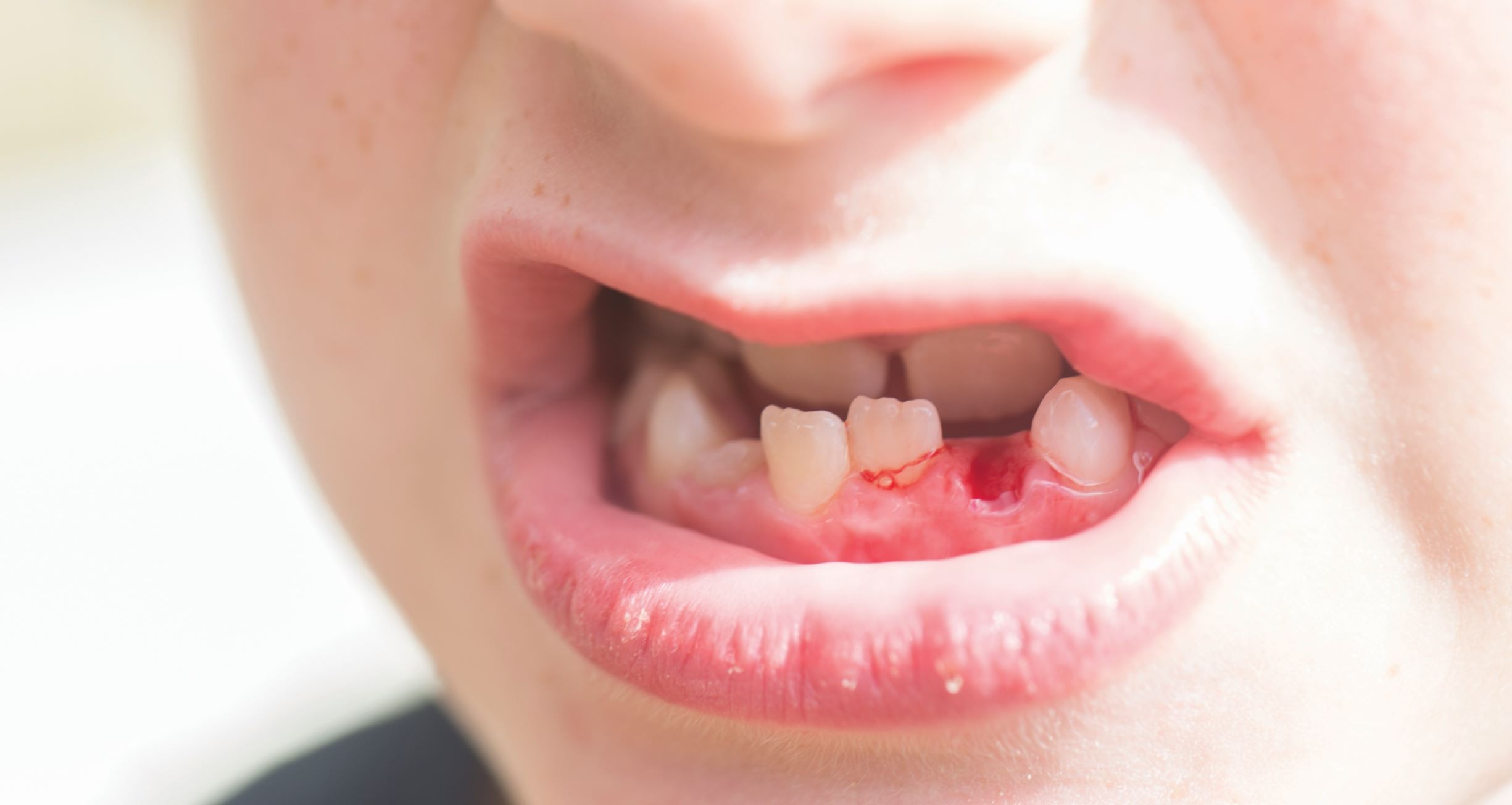
Management of Traumatic Tooth Avulsion: When & How?
Traumatic tooth avulsion is a true dental emergency requiring immediate and structured management to...
Article
Prosthetic Design Factors That Prevent Peri-Implant Bone Loss
You placed the implant perfectly. Osseointegration was flawless. But three years later, there is 3mm...
Article
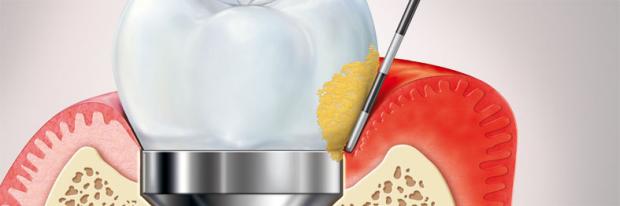
Treatment Algorithms for Peri-Implant Mucositis and Peri-Implantitis
You can prevent most peri-implant disease. But once it develops, treatment becomes less predictable....
Article
Implant Surface Decontamination: What Actually Works
Treating peri-implantitis starts with one critical step, which is decontaminating the implant surfac...
Article
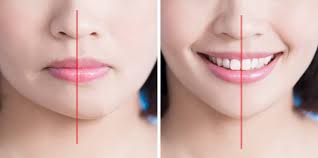
Growth & Facial Asymmetry: When to Worry
Only a few dentists can notice it and realize the asymmetry can signal an underlying skeletal imbala...
Article
Orthodontic Red Flags Every Dentist Should Recognize: Functional Habits and Airway Cues
Some malocclusions cases stall for reasons you can’t see on a scan, as not...
Article
Tooth Eruption & Space Management: What Orthodontists Should Watch For
Tooth eruption may not alwaxfys fit the predictable biological timeline. A delayed or ecto...
Article
Communication & Referral Timing: Getting It Right
You have identified a problem, maybe a severe Class III malocclusion in a 9-year-old, or it is an im...