
Article
Dental Professionals’ Role in Oral Cancer Rehabilitation: Tools, Checklists & Best Practices
Introduction
Oral cancer treatment often involves surgery, radiation, and chemotherapy, procedures that can significantly impact oral health, function, and aesthetics. Rehabilitation is not just about survival; it’s about restoring function, confidence, and quality of life. Dental professionals are key players in this process.
Why Oral Cancer Rehabilitation Matters
Cancer therapies frequently cause oral complications such as1,9:
- Mucositis
- Xerostomia
- Trismus
- Osteoradionecrosis
- Opportunistic infections
These complications can delay cancer treatment and reduce a patient's quality of life. Integrating dental care into oncology ensures better treatment outcomes and patient comfort.
Phases of Dental Involvement
1. Pre-Treatment Phase
Goals: Prevent complications and prepare the oral cavity for cancer therapy.
Checklist2:
- Comprehensive oral evaluation (ideally 4 weeks before therapy) [ ]
- Eliminate infection sources (extract non-restorable teeth) [ ]
- Apply fluoride gel and provide oral hygiene instructions [ ]
- Educate patients on mucositis and xerostomia management [ ]
2. During Treatment
Focus: Manage oral complications and maintain nutrition.
Key Actions:
- Use bland rinses and topical anesthetics for mucositis3
- Recommend saliva substitutes for xerostomia4
- Encourage jaw exercises to prevent trismus5
- Collaborate with dietitians and speech therapists6
3. Post-Treatment Rehabilitation
Objectives: Restore function and aesthetics.
Approaches:
- Fabricate obturators and mandibular resection prostheses
- Consider implant-supported restorations after healing
- Prescribe lifelong fluoride use for xerostomic patients
- Schedule regular follow-ups for recurrence and osteoradionecrosis risk7
Takeaway
Treat every oral cancer patient as a long-term partner. Early, proactive, and collaborative dental care can dramatically enhance oral function, confidence, and quality of life for survivors.
References
- Kouri M, Vadalouca A, Kouloulias V, Papadopoulou E, Vardas E, Kyrodimos E, Trichas M, Galitis E, Zygogianni A, Liakouli Z, Nicolatou-Galitis O. Oral complications of head and neck cancer therapy. InForum Clin Oncol 2021 Aug 1 (Vol. 12, No. 1, pp. 52-66).
- National Institute of Dental and Craniofacial Research. Oncology Pocket Guide to Oral Health: Prevention and management of oral complications. Bethesda (MD): U.S. Department of Health and Human Services, National Institutes of Health; 2020. Available from: https://www.nidcr.nih.gov/sites/default/files/2020-06/oncology-guide-oral-health.pdf
- Bell A, Kasi A. Oral mucositis. InStatPearls [Internet] 2023 May 29. StatPearls Publishing.
- Hosseini MS, Sanaie S, Mahmoodpoor A, Jabbari Beyrami S, Jabbari Beyrami H, Fattahi S, Jahanshahlou F, Zarei M, Rahimi Mamaghani A, Kuchaki Rafsanjani M. Cancer treatment-related xerostomia: basics, therapeutics, and future perspectives. European journal of medical research. 2024 Nov 30;29(1):571.
- Mandal S, Mandal S, Malik D, Thakur K, Chahal A. Exercise therapy to treat trismus in a patient with head neck cancer: A case report. Journal of Society of Indian Physiotherapists. 2024 Jan 1;8(1):38-41.
- Mohammed RA, Ahmed SK. Nutritional support for oral cancer patients: what every nurses should know?. Oral Oncology Reports. 2024 Jun 1;10:100413.
- American Dental Association. Cancer therapies and dental considerations. American Dental Association. 2025. Available from: https://www.ada.org/resources/ada-library/oral-health-topics/cancer-therapies-and-dental-considerations
- Zadik Y, Raber-Durlacher JE, Epstein JB, Majorana A, Miranda-Silva W, Yang S, Blijlevens N, Elad S. MASCC/ISOO Clinical Practice Statement: dental evaluation and management prior to treatment for hematologic malignancies and CAR T-cell therapy. Supportive Care in Cancer. 2025 Oct;33(10):1-8.
Related Contents
Video
Management of Traumatic Tooth Avulsion: When & How?
Traumatic tooth avulsion is a true dental emergency requiring immediate and structured management to...
Article
Prosthetic Design Factors That Prevent Peri-Implant Bone Loss
You placed the implant perfectly. Osseointegration was flawless. But three years later, there is 3mm...
Article
Treatment Algorithms for Peri-Implant Mucositis and Peri-Implantitis
You can prevent most peri-implant disease. But once it develops, treatment becomes less predictable....
Article
Implant Surface Decontamination: What Actually Works
Treating peri-implantitis starts with one critical step, which is decontaminating the implant surfac...
Article
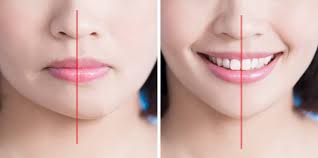
Growth & Facial Asymmetry: When to Worry
Only a few dentists can notice it and realize the asymmetry can signal an underlying skeletal imbala...
Article
Orthodontic Red Flags Every Dentist Should Recognize: Functional Habits and Airway Cues
Some malocclusions cases stall for reasons you can’t see on a scan, as not...
Article
Tooth Eruption & Space Management: What Orthodontists Should Watch For
Tooth eruption may not alwaxfys fit the predictable biological timeline. A delayed or ecto...
Article
Communication & Referral Timing: Getting It Right
You have identified a problem, maybe a severe Class III malocclusion in a 9-year-old, or it is an im...