Video
Manage the Complications in Minor Oral Surgery and Flourish the Pratice
Effective management of complications in minor oral surgery is essential for maintaining patient safety, improving outcomes, and building a successful dental practice. Early identification of risks—such as bleeding, infection, nerve injury, and postoperative pain—enables timely intervention and prevents escalation. Establishing standardized protocols for hemostasis, asepsis, analgesia, and postoperative instructions ensures predictable healing and enhances patient trust. Thorough documentation, clear communication, and proactive follow-up further minimize complications and improve patient satisfaction. By investing in continual training, adopting modern surgical techniques, and maintaining emergency readiness, clinicians can confidently manage complications while elevating the quality and reputation of their practice.
Related Contents
Video
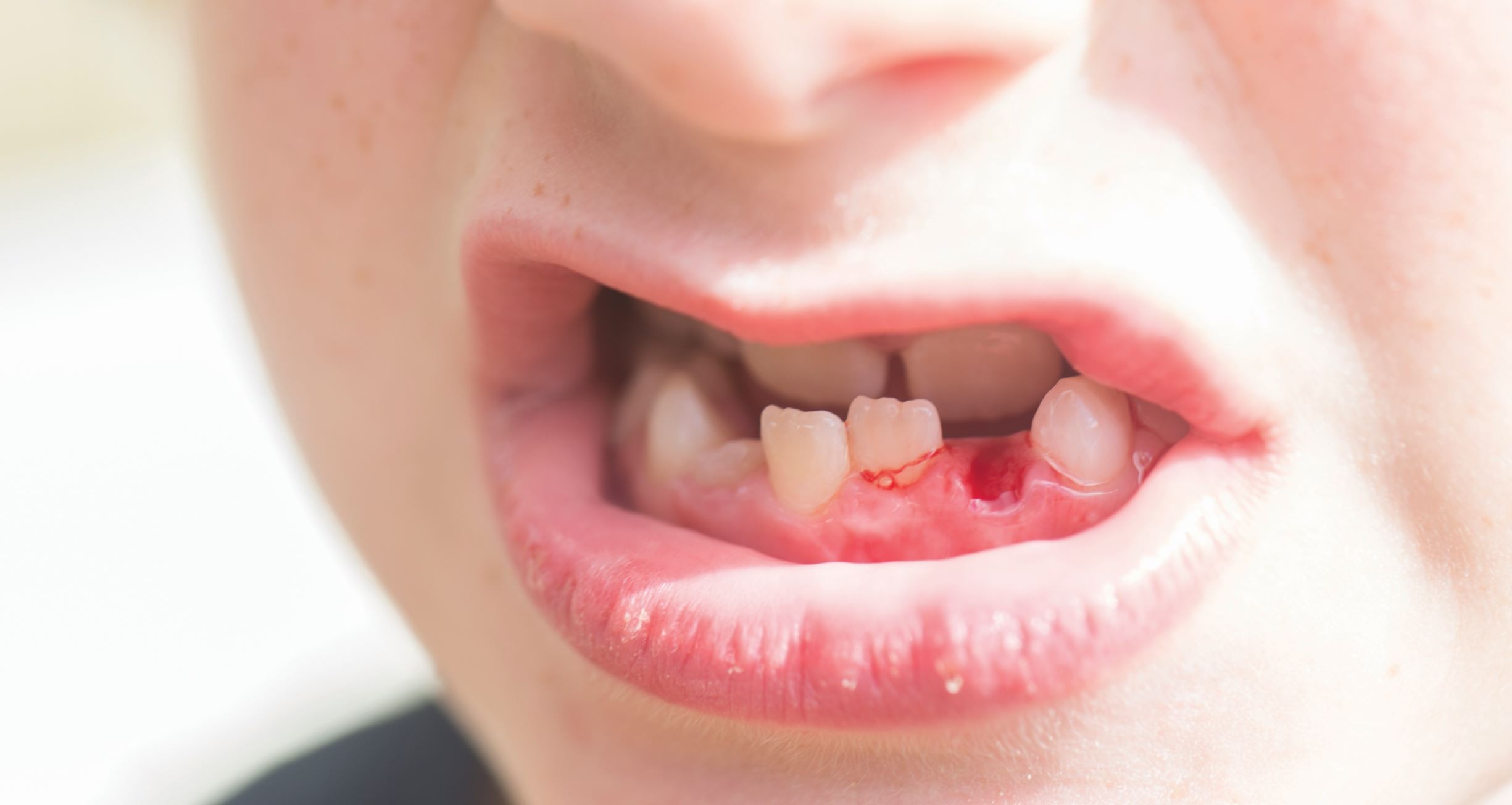
Management of Traumatic Tooth Avulsion: When & How?
Traumatic tooth avulsion is a true dental emergency requiring immediate and structured management to...
Article
Prosthetic Design Factors That Prevent Peri-Implant Bone Loss
You placed the implant perfectly. Osseointegration was flawless. But three years later, there is 3mm...
Article
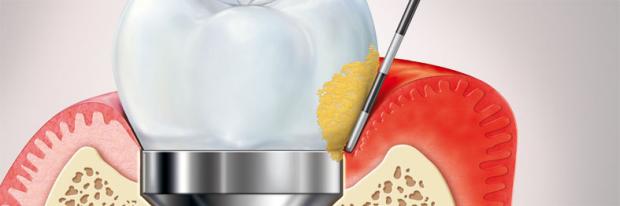
Treatment Algorithms for Peri-Implant Mucositis and Peri-Implantitis
You can prevent most peri-implant disease. But once it develops, treatment becomes less predictable....
Article
Implant Surface Decontamination: What Actually Works
Treating peri-implantitis starts with one critical step, which is decontaminating the implant surfac...

Article
Growth & Facial Asymmetry: When to Worry
Only a few dentists can notice it and realize the asymmetry can signal an underlying skeletal imbala...

Article
Orthodontic Red Flags Every Dentist Should Recognize: Functional Habits and Airway Cues
Some malocclusions cases stall for reasons you can’t see on a scan, as not...

Article
Tooth Eruption & Space Management: What Orthodontists Should Watch For
Tooth eruption may not alwaxfys fit the predictable biological timeline. A delayed or ecto...
Article
Communication & Referral Timing: Getting It Right
You have identified a problem, maybe a severe Class III malocclusion in a 9-year-old, or it is an im...