
Article
Complications After Third-Molar Surgery: A Stepwise Approach
Third-molar (wisdom tooth) extraction is a routine yet complex procedure in dental practice. While often straightforward, it carries a notable risk of postoperative complications that can impact patient recovery and satisfaction. For the practitioner dentist, a structured, stepwise approach to identifying, managing, and preventing these complications is essential for optimal outcomes.
Common Complications and Their Management
1. Pain and Swelling
Postoperative pain and swelling are the most frequent complaints. Pain typically begins when the local anesthesia wears off, peaking between 6–12 hours postoperatively. Swelling is most profound 2 to 3 days after surgery and starts to subside around day 4. These symptoms result from surgical trauma and inflammatory response1.
Management
- Prescribe NSAIDs such as ibuprofen and paracetamol to manage pain and inflammation1.
- Apply cold compresses or ice bags during the first 24 hours to reduce swelling and discomfort1.
2. Trismus (Limited Mouth Opening)
Trismus results from inflammation or trauma to the masticatory muscles, particularly the medial pterygoid and masseter insertion. It can hinder oral hygiene and nutrition 2. Most cases are mild and resolve without intervention.
Management
- Use warm compresses or heat therapy to relax muscles2.
- Encourage jaw exercises to improve mobility.
- Prescribe analgesics if discomfort persists2.
- Most cases do not require aggressive treatment.
3. Alveolar Osteitis (Dry Socket)
This painful condition arises from premature loss of the blood clot in the socket, exposing bone. It typically occurs 2–4 days post-surgery, often accompanied by radiating pain and foul odor. The occurrence of alveolar osteitis has been observed in up to 20% of patients after surgical extraction of the mandibular third molar 1, making it one of the more common complications.
Management
- Irrigation of the socket with warm saline to remove debris3.
- Application of medicated dressings to relieve pain and promote healing3.
- Analgesics for pain control3.
- Follow-up visits may be necessary to replace dressings every 24 to 48 hours until symptoms resolve.
4. Infection
Postoperative infection occurs in approximately 3% to 5% of third molar extractions, with mandibular bony impactions posing a higher risk. While most infections are mild and localized, severe infections such as deep facial space involvement are rare 1.
Management
- Prioritize a strong anti-inflammatory regimen to address inflammation effectively.
- Use systemic antibiotics only when there are clear signs of wound infection with systemic involvement.
- Follow strict guidelines for antibiotic use to reduce the risk of antibiotic resistance and allergic reactions.
- Emphasize preoperative antiseptic rinses and postoperative hygiene to minimize infection risk.
5. Nerve Injury
Inferior alveolar or lingual nerve damage can lead to paresthesia or numbness 4. Risk increases with deeply impacted or distally angulated third molars.
Management 4
- Start with NSAIDs or corticosteroids to reduce inflammation.
- Use topical dexamethasone if nerve trauma is suspected intraoperatively.
- Monitor with regular neurosensory assessments during the first 12 weeks.
- Refer for microsurgical repair if no improvement is seen within 3–6 months.
- Consider nerve grafts or conduits for larger nerve gaps.
- Provide psychological support and clear communication throughout recovery.
6. Hemorrhage
Persistent bleeding post-extraction may result from trauma to vessels or clot dislodgement. Bleeding usually stops within 6–12 hours as clot formation occurs. Bleeding beyond this window is considered excessive, with prevalence ranging from 1% to 6%1. Patients on anticoagulants or antiplatelet medications are at higher risk.
Management
- Apply direct pressure on the extraction site using gauze1.
- Use sutures if bleeding persists1.
- Consider hemostatic agents5.
- Educate patients to avoid spitting, rinsing, or using straws post-surgery.
- Conduct preoperative risk assessment based on systemic health and medications.
7. Oroantral Communication
This rare complication occurs during maxillary third-molar extraction, especially when roots are close to the sinus floor. Third molars are responsible for approximately 30% of oroantral communications 6.
Management
- Small perforations may heal spontaneously with proper care.
- Larger communications may require surgical closure using buccal advancement flaps or palatal flaps6.
- Advise patients to avoid nose blowing and use decongestants if needed.
A Stepwise Approach to Prevention and Management
Step 1: Preoperative Assessment
- Conduct thorough clinical and radiographic evaluation7 (e.g., panoramic radiograph, CBCT if needed).
- Identify risk factors: age, tooth position, proximity to vital structures, systemic conditions.
- Discuss potential complications and obtain informed consent.
Step 2: Surgical Planning and Technique
- Use minimally traumatic techniques: controlled force, adequate flap design, and bone removal.
- Ensure aseptic conditions and limit surgical time to reduce infection risk.
Step 3: Immediate Postoperative Care
- Provide clear instructions on oral hygiene, diet, and activity restrictions.
- Prescribe appropriate analgesics and antimicrobials based on patient risk profile.
Step 4: Follow-Up and Early Intervention
- Schedule timely reviews to monitor healing.
- Educate patients on signs of complications and encourage prompt reporting.
- Address complications proactively to prevent escalation.
Clinical Pearls
- Communication is key: Clear preoperative counseling reduces anxiety and improves compliance.
- Documentation matters: Record findings, consent, and postoperative instructions meticulously.
- Know your limits: Refer complex cases to oral surgeons when anatomical or systemic risks are high.
By adopting a proactive, stepwise approach, practitioners can significantly reduce the incidence and severity of complications following third-molar surgery. This not only enhances patient outcomes but also builds trust and professional credibility.
References
- Wang J, Rissanen R. Postoperative symptoms after surgical removal of the mandibular third molars: A pilot study.
- Santiago-Rosado LM, Lewison CS. Trismus. In: StatPearls [Internet]. Treasure Island (FL): StatPearls Publishing; 2025 Jan-. Last updated 2022 Oct 27. Available from: https://www.ncbi.nlm.nih.gov/books/NBK493203/
- Ravishankar TL, Kumar MA. Alveolar Osteitis. In: StatPearls [Internet]. Treasure Island (FL): StatPearls Publishing; 2021 Jan– [cited 2025 Nov 1]. Available from: https://www.ncbi.nlm.nih.gov/books/NBK582137/
- Selvi F, Yildirimyan N, Zuniga J. Inferior alveolar and lingual nerve injuries: an overview of diagnosis and management. Frontiers of Oral and Maxillofacial Medicine. 2022;4.
- Protin A, Cameli C, Sérandour AL, Hamon J, Chaux AG, Guillemin M, Thibaut F. Application of a topical collagen agent after tooth extraction to control hemostasis should be immediate and not delayed: a comparative randomized trial. Journal of Oral Medicine and Oral Surgery. 2023;29:10.
- Shahrour R, Shah P, Withana T, Jung J, Syed AZ. Oroantral communication, its causes, complications, treatments and radiographic features: A pictorial review. Imaging Science in Dentistry. 2021 Jul 13;51(3):307.
- Husain AA, Oechslin DA, Stadlinger B, Winklhofer S, Özcan M, Schönegg D, Husain NA, Sommer S, Piccirelli M, Valdec S. Preoperative imaging in third molar surgery—A prospective comparison of X-ray-based and radiation-free magnetic resonance orthopantomography. Journal of Cranio-Maxillofacial Surgery. 2024 Jan 1;52(1):117-26.
Related Contents
Video
Management of Traumatic Tooth Avulsion: When & How?
Traumatic tooth avulsion is a true dental emergency requiring immediate and structured management to...
Article
Prosthetic Design Factors That Prevent Peri-Implant Bone Loss
You placed the implant perfectly. Osseointegration was flawless. But three years later, there is 3mm...
Article
Treatment Algorithms for Peri-Implant Mucositis and Peri-Implantitis
You can prevent most peri-implant disease. But once it develops, treatment becomes less predictable....
Article
Implant Surface Decontamination: What Actually Works
Treating peri-implantitis starts with one critical step, which is decontaminating the implant surfac...
Article
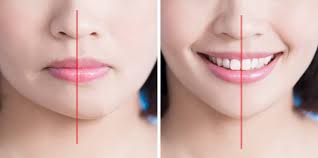
Growth & Facial Asymmetry: When to Worry
Only a few dentists can notice it and realize the asymmetry can signal an underlying skeletal imbala...
Article
Orthodontic Red Flags Every Dentist Should Recognize: Functional Habits and Airway Cues
Some malocclusions cases stall for reasons you can’t see on a scan, as not...
Article
Tooth Eruption & Space Management: What Orthodontists Should Watch For
Tooth eruption may not alwaxfys fit the predictable biological timeline. A delayed or ecto...
Article
Communication & Referral Timing: Getting It Right
You have identified a problem, maybe a severe Class III malocclusion in a 9-year-old, or it is an im...