Article
Teeth Whitening Trends You Cannot Ignore: A 2025 Guide for Dentists
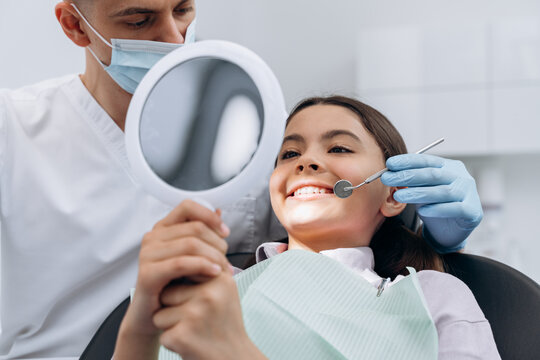
Teeth whitening remains a top-requested cosmetic procedure, with an ever-increasing patient demand for fast, safe, and long-lasting results.
As dental professionals, staying updated on whitening technologies, clinical protocols, and patient-centric strategies is essential for delivering both aesthetic and functional excellence.
In‑Office Whitening: Still the Gold Standard
Uses high‑concentration hydrogen peroxide (25–40%), which is further often accelerated with lasers or LEDs, to lighten teeth by multiple shades in under an hour.
Clinical trials show similar whitening efficacy and sensitivity across concentrations (18%, 25%, 40%) with improvements in aesthetic perception at 6 months1.
Light-activated systems (laser or LED) boost efficacy while limiting exposure time .
Best practices:
Pre‐treatment assessment: Evaluate shade, sensitivity risk, and expectations.
Professional isolation: Use rubber dams or trays to protect soft tissues.
Customize protocol: Choose gel concentration and light source based on factors such as history of fluorosis, presence of restorations, or intrinsic stains that may require more advanced or repeated treatment
Manage sensitivity: Incorporate desensitizing agents like potassium nitrate or fluoride during treatment2.
Contraindications: In-office whitening is not recommended for patients with conditions such as pregnancy, those under 16 years of age, untreated caries or periodontal disease, or multiple restorations in the aesthetic zone.
Always complete a thorough oral evaluation before recommending whitening.
Follow-up and maintenance: A post-treatment take-home kit or maintenance app can prolong results.
Take‑Home Kits & Hybrid Models
Dentist‑prescribed kits with 10‑35% carbamide peroxide or 6‑10% hydrogen peroxide remain effective with less chair time2.
LED-accelerated at-home kits deliver gradual yet consistent results, which is ideal for maintenance following in-office sessions.
Hybrid protocols (in‑office + at‑home) maintained significantly whiter teeth even 2 years later. This proves that hybrid protocols aren’t just convenient, they are clinically superior for long-term brilliance3.
Implementation tips:
- Provide 3D‑printed custom trays for better fit and comfort.
- Educate patients: 1–4 weeks of at-home use vs. a one-off in-office session.
- Consider incorporating AI-based shade matching apps or intraoral cameras for consistent baseline and outcome tracking.
Emerging Technologies & Ingredients
Here are latest trends in the teeth whitening space -
Laser-activated bleaching: Offers gentler, more efficient results in minutes.
Violet LED & infrared photobiomodulation: Studies show reduced sensitivity and faster bleaching4.
Smart Bleaching Systems: New AI-driven systems auto-adjust bleaching light wavelength and intensity based on real-time shade detection, which offers a customized and efficient approach. These are promising but may come at higher setup costs.
Peroxide-free agents (PAP): Popular for sensitive patients; plant-based, enamel-friendly, but still needing stronger clinical validation5.
Sensitivity Management
Transient sensitivity is a common post-treatment effect, reported by almost 70% of the patients6.
Use desensitising options pre/post-bleaching like fluoride, potassium nitrate, and ACP.
Recommend the use of high-fluoride trays (e.g., 5000 ppm fluoride) post-bleaching to reduce tubule permeability and support enamel remineralization.
Schedule follow-up sensitivity checks within 48–72 hours, especially for patients with a prior history of post-op discomfort.
Choose neutral‑pH gels, include sensitivity protocols, and offer professional-strength remineralizing toothpaste.
Longevity & Maintenance
Color relapse typically occurs within 6–12 months; combined or at-home boosters mitigate this.
Educate patients to avoid staining foods/drinks and to schedule regular cleanings.
Offer subscription whitening plans (e.g., biannual in-office + take-home) to improve long-term retention and revenue.
Patient Education & Marketing
Debunk myths, e.g., DIY hacks with charcoal or lemon which are commonly practised. Explain the enamel risks with supporting evidence .
Leverage Digital Smile Design and shade simulations to set realistic goals and improve acceptance.
Promote whitening as part of a full aesthetic package and emphasize the synergy with veneers, bonding, and soft tissue aesthetics.
Final Takeaway
In-office whitening remains the fastest and most predictable solution, but today’s most successful practices blend evidence-based protocols with smart technology, long-term maintenance strategies, and personalized sensitivity care.
By integrating these trends, clinicians not only enhance patient satisfaction but also position whitening as a valuable, recurring revenue stream within the broader scope of cosmetic dentistry.
References
- Altınışık H, Nezir M. Clinical evaluation of in‑office bleaching with low, medium, and high concentrate hydrogen peroxide: a 6‑month double‑blinded randomized controlled trial. Clin Oral Investig. 2025 Apr 21;29(5):260. doi:10.1007/s00784-025-06348-8.
- Kury M, Bem Prunes B, Saraceni CHC, Hilgert LA, Fronza BM, Lima AF. Clinical decision‑making in tooth bleaching based on current evidence: A narrative review. Dent Mater. 2025 May;41(5):536–52.
- Takamizawa Y, Kato T, Nara Y, Iwasa A, Irokawa T, Ando Y, et al. Long-term color stability of in-office bleaching with or without at-home tray bleaching: a double-blind randomized clinical trial. J Esthet Restor Dent. 2025 Jun;37(4):561–8.
- dos Santos AECG, Bussadori SK, Pinto MM, Pantano Junior DA, Brugnera A Jr, Zanin FAA, Rodrigues MFSD, Motta LJ, Horliana ACRT. Evaluation of in‑office tooth whitening treatment with violet LED: protocol for a randomised controlled clinical trial. BMJ Open. 2018 Sep 4;8(9):e021414
- Pascolutti M, de Oliveira D. A radical‑free approach to teeth whitening: in vitro evaluation of a novel PAP+ gel formulation. Dent J (Basel). 2021 Dec 9;9(12):148.
- Martini EC, Parreiras SO, Szesz ALS, Coppla FM, Loguercio AD, Reis A. Bleaching-induced tooth sensitivity with application of a desensitizing gel before and after in-office bleaching: a triple-blind randomized clinical trial. Clin Oral Investig. 2020 Jan;24(1):385–394.
Related Contents
Video
Management of Traumatic Tooth Avulsion: When & How?
Traumatic tooth avulsion is a true dental emergency requiring immediate and structured management to...
Article
Prosthetic Design Factors That Prevent Peri-Implant Bone Loss
You placed the implant perfectly. Osseointegration was flawless. But three years later, there is 3mm...
Article
Treatment Algorithms for Peri-Implant Mucositis and Peri-Implantitis
You can prevent most peri-implant disease. But once it develops, treatment becomes less predictable....
Article
Implant Surface Decontamination: What Actually Works
Treating peri-implantitis starts with one critical step, which is decontaminating the implant surfac...
Article
Growth & Facial Asymmetry: When to Worry
Only a few dentists can notice it and realize the asymmetry can signal an underlying skeletal imbala...
Article
Orthodontic Red Flags Every Dentist Should Recognize: Functional Habits and Airway Cues
Some malocclusions cases stall for reasons you can’t see on a scan, as not...
Article
Tooth Eruption & Space Management: What Orthodontists Should Watch For
Tooth eruption may not alwaxfys fit the predictable biological timeline. A delayed or ecto...
Article
Communication & Referral Timing: Getting It Right
You have identified a problem, maybe a severe Class III malocclusion in a 9-year-old, or it is an im...