Article
Pulp Therapy in Primary Teeth: What Works in 2025?
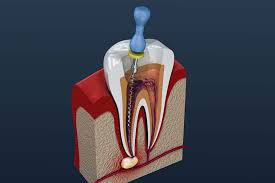
Pulp therapy in primary teeth is about the delicate balance, where you aim to preserve function and extend comfort until natural exfoliation.
The motto here is avoiding under- or over-treatment. Over the last few years, the armamentarium to achieve the goal has undergone massive changes.
Formocresol, once the “gold standard,” is no longer recommended due to safety concerns1.
Now we have more biocompatible and bioactive materials providing better outcomes.
Choosing the Right Pulp Therapy
First things first, let’s revise the differences between the pulp therapies.
Pulpotomy vs. Pulpectomy
- Pulpotomy is indicated when the coronal pulp is inflamed but the radicular pulp seems healthy.
- Pulpectomy is needed when infection extends into the radicular pulp, but the tooth is restorable2.
Clinical pearl: Always assess hemostasis after coronal pulp amputation. Early hemostasis with saline or sodium hypochlorite suggests radicular pulp is still vital, allowing you to proceed with pulpotomy.
Persistent bleeding, however, indicates the need for pulpectomy or extraction.
What Materials Work Best in 2025?
Here are newer materials that work best for pulp therapies -
Mineral Trioxide Aggregate (MTA)
- Success rates >90% in long-term studies for pulpotomy3.
- MTA provides excellent sealing ability and is known for inducing dentin bridge formation.
- Despite being widely used, MTA can be slightly expensive and might cause some discoloration.
Biodentine
- Newer material, which is biocompatible and can repair or substitute damaged dentin.
- It is also faster-setting and easier to handle when compared to MTA, which makes it practical for modern pediatric use.
- Studies report equal or superior success to MTA in primary pulpotomies4.
- Preferred in anterior teeth due to lower discoloration potentia
New-Generation Bioceramics
- Pre-mixed calcium silicate-based materials like NeoMTA Plus, Theracal LC, calcium-enriched mixtures (CEM), EndoSequence, and BioRoot RCS are gaining popularity5.
- Bioceramics should have optimal mechanical strength, antibacterial properties, and manageable setting times to gain long-term success6.
Zinc Oxide Eugenol (ZOE)
- ZOE is the choice of material for pulpectomy fillings.
- It has a resorption mismatch with the roots, and may cause periapical irritation7.
- ZOE can also deflect the permanent tooth bud, and should be avoided.
Trending alternative: Prefer calcium hydroxide–iodoform pastes like Metapex, Vitapex, that resorb more harmoniously and are easier to retreat.
Practical Updates for Daily Practice
- Hemostasis control matters: Be cautious and use 1.25–2.5% NaOCl or ferric sulfate, avoiding overzealous cauterization that may damage radicular pulp.
- Radiographic monitoring: Monitor success by following up on the state of root resorption, along with the absence of symptoms.
- Case selection: Teeth that are close to natural exfoliation or have furcation involvement are better managed with extraction.
Clinical tip: Always communicate with parents that pulp therapy is not a permanent solution. The goal is to maintain the tooth until natural exfoliation; by no means is it about creating a “forever tooth.” It is often misunderstood by parents of young children.
Final Takeaway
Pulp therapy is swiftly changing and has newer materials that have replaced formocresol.
While many dental practitioners have worked with formocresol during their training period, it is high time to take in newer materials like MTA, Biodentine, and other bioceramic cements.
ZOE pulpectomies are not a great idea; use calcium hydroxide–iodoform pastes instead.
Other than better materials, careful case selection, and clear parental communication are the best ways to go.
References
- Issrani R, Prabhu N, Bader AK, Alfayyadh AY, Alruwaili KK, Alanazi SH, Ganji KK, Alam MK. Exploring the properties of formocresol in dentistry—a comprehensive review. J Clin Pediatr Dent. 2023;47(3):1-10.
- Baik SA, Al Mkenah A, Khan A, Alkhalifah A, Al Makinah A, Alquraini H, Al Khars A, Almakinah A, Almakinah D, Almalki A. Pulpotomy vs. pulpectomy techniques, indications and complications. Int J Community Med Public Health. 2018 Nov;5(11):4975-4978.
- Beldar TL, Jawdekar AM, Mistry LN. Success of pulpotomy with MTA in primary teeth: A systematic review and meta-analysis. Bioinformation. 2025;21(8):2574–2580
- Vilella-Pastor S, Sáez S, Veloso A, Guinot-Jimeno F, Mercadé M. Long-term evaluation of primary teeth molar pulpotomies with Biodentine and MTA: a CONSORT randomized clinical trial. Eur Arch Paediatr Dent. 2021 Aug;22(4):685-92.
- Dong X, Xu X. Bioceramics in Endodontics: Updates and Future Perspectives. Bioengineering (Basel). 2023 Mar 13;10(3):354.
- Alshalan AS, Almutiri FA, Al-Battat AH, Alqahtani AM, Binzamil KA, Alabdan RM, Alrabghi KK, Aldohailan AM, Alshammari EA, Khurayniq AS, Alshahrani MT. Bioactive Materials in Pediatric Endodontics: Current Applications and Future Directions. Cureus. 2025 Aug 22;17(8):e90718.
- Najjar RS, Alamoudi NM, El-Housseiny AA, Al Tuwirqi AA, Sabbagh HJ. A comparison of calcium hydroxide/iodoform paste and zinc oxide eugenol as root filling materials for pulpectomy in primary teeth: A systematic review and meta-analysis. Clin Exp Dent Res. 2019 Mar;5(3):294-310.
Related Contents
Video
Management of Traumatic Tooth Avulsion: When & How?
Traumatic tooth avulsion is a true dental emergency requiring immediate and structured management to...
Article
Prosthetic Design Factors That Prevent Peri-Implant Bone Loss
You placed the implant perfectly. Osseointegration was flawless. But three years later, there is 3mm...
Article
Treatment Algorithms for Peri-Implant Mucositis and Peri-Implantitis
You can prevent most peri-implant disease. But once it develops, treatment becomes less predictable....
Article
Implant Surface Decontamination: What Actually Works
Treating peri-implantitis starts with one critical step, which is decontaminating the implant surfac...
Article
Growth & Facial Asymmetry: When to Worry
Only a few dentists can notice it and realize the asymmetry can signal an underlying skeletal imbala...
Article
Orthodontic Red Flags Every Dentist Should Recognize: Functional Habits and Airway Cues
Some malocclusions cases stall for reasons you can’t see on a scan, as not...
Article
Tooth Eruption & Space Management: What Orthodontists Should Watch For
Tooth eruption may not alwaxfys fit the predictable biological timeline. A delayed or ecto...
Article
Communication & Referral Timing: Getting It Right
You have identified a problem, maybe a severe Class III malocclusion in a 9-year-old, or it is an im...