
Article
Ethical Social Media That Builds Trust, Not Hype
Today, patients definitely find the clinic on social media before booking an appointment. From Facebook reviews to Instagram reels, your digital footprint can help shape the trust before you start the treatment in person1.
Not everyone knows how to fully use the potential. Some may oversell, whereas some tend to create a fear-driven message.
The key to creating a positive impact is posting content that is informative, reassuring, and highlights patient-first care.
Why “ethical” matters in dental social media?
As important as it is to have a social media presence, being ethical can truly take you a long way.
- Patients are savvy: They can spot clickbait, scare tactics, or over-promises instantly.
- Regulatory boundaries: Dental councils and professional boards may have regulations attached to advertising. Non-compliant posts can land practices in trouble.
- Trust = conversion: A patient who feels respected online is far more likely to book an appointment than one who feels pressured or misled2.
Do’s: What to share on dental social media
Here is the list of things you should do for social media:
1. Educational content
Break down treatments into short and reader-friendly posts. It is your opportunity to explain treatments in a simple manner like what can you expect during a root canal, or what happens in crown placement.
2. Before-and-after
Showcase real transformations with before and after pics or a short video. This is the time to set realistic expectations of what it can look like. Don’t forget to get written patient consent.
3. Behind-the-scenes transparency
Showing behind the scenes can humanise the practice. Looking at how your team works, the sterilisation protocols you follow, or how you handle different situations can reassure patients about safety and professionalism.
4. Testimonials and reviews
Patient testimonials and reviews are actually what help people know what others think of the quality of care at your clinic. If possible, share short videos of your patients talking about their experience.
5. Advice
Share informative videos. You can put quick oral health tips, reminders, or myth-busting posts that help build authority.
Don’ts: Things to avoid in dental social media
Here is what you should avoid doing on social media:
1. Over-promising results
Never claim guaranteed outcomes, as dentistry is complex and things may not always go as planned. Overselling the services can hamper credibility.
Dwivedi YK, Ismagilova E, Hughes DL, Carlson J, Filieri R, Jacobson J, Jain V, Karjaluoto H, Kefi H, Krishen AS, Kumar V, Rahman MM, Raman R, Rauschnabel PA, Rowley J, Salo J, Tran GA, Wang Y. Setting the future of digital and social media marketing research: Perspectives and research propositions. International Journal of Information Management. 2021;59:102168.
2. Fear-based agenda
Avoid content that can scare patients into treatment. Don’t post pictures of extreme decay or gum disease. Rather, focus on education as it will always work better than intimidation3.
3. Misuse of stock images
Always posting generic and overly polished stock photos feels like you don’t have anything to prove your expertise. Wherever possible, use real team photos and real cases, with consent, of course.
4. Ignoring patient privacy
Digital Personal Data Protection Act and local privacy laws are non-negotiable. Never post any identifiable patient data without documented consent.
5. Chasing trends blindly
Don’t keep on chasing trends blindly. All the viral dances and memes may not suit your branding. Stay professional without relying too much on recent trends.
Practical tips for ethical and effective posting
- Consistency over quantity: Post regularly while prioritising quality. One strong educational reel is more effective than five random posts.
- Engage: Respond to comments and DMs in an empathetic and professional tone. Treat this as an opportunity for mini-consultations and never like sales pitches.
- Track numbers: Use simple analytic tools to see the type of posts that perform best on your page. Focus more on whatever performs well, along with posting regular content.
- Stay compliant: Find out about guidelines from your national dental council or board and ensure that your posts meet advertising standards.
Final Takeaway
Times are rapidly changing, and at this moment, social media is a powerful extension of your clinic. If done right, it brings more than clicks and can help you build a strong presence and relationships.
The formula is simple to crack. Don’t get swayed by what others are doing. Stay focused on educating, avoiding exaggeration, engaging, and not being pushy.
Focusing on ethical social media for dentists can help create a digital presence that feels as professional and trustworthy4.
References
- Freire Y, Gómez Sánchez M, Sánchez Ituarte J, Frías Senande M, Díaz-Flores García V, Suárez A. Social media impact on students' decision-making regarding aesthetic dental treatments based on cross-sectional survey data. Scientific Reports. 2024;14:21626.
- Freire Y, Gómez Sánchez M, Suárez A, Joves G, Nowak M, Díaz-Flores García V. Influence of the use of social media on patients changing dental practice: a web-based questionnaire study. BMC Oral Health. 2023;23:365.
- Suarez-Lledo V, Alvarez-Galvez J. Prevalence of health misinformation on social media: systematic review. J Med Internet Res. 2021;23(1):e17187.
- Chen J, Wang Y. Social media use for health purposes: systematic review. J Med Internet Res. 2021;23(5):e17917.
Related Contents
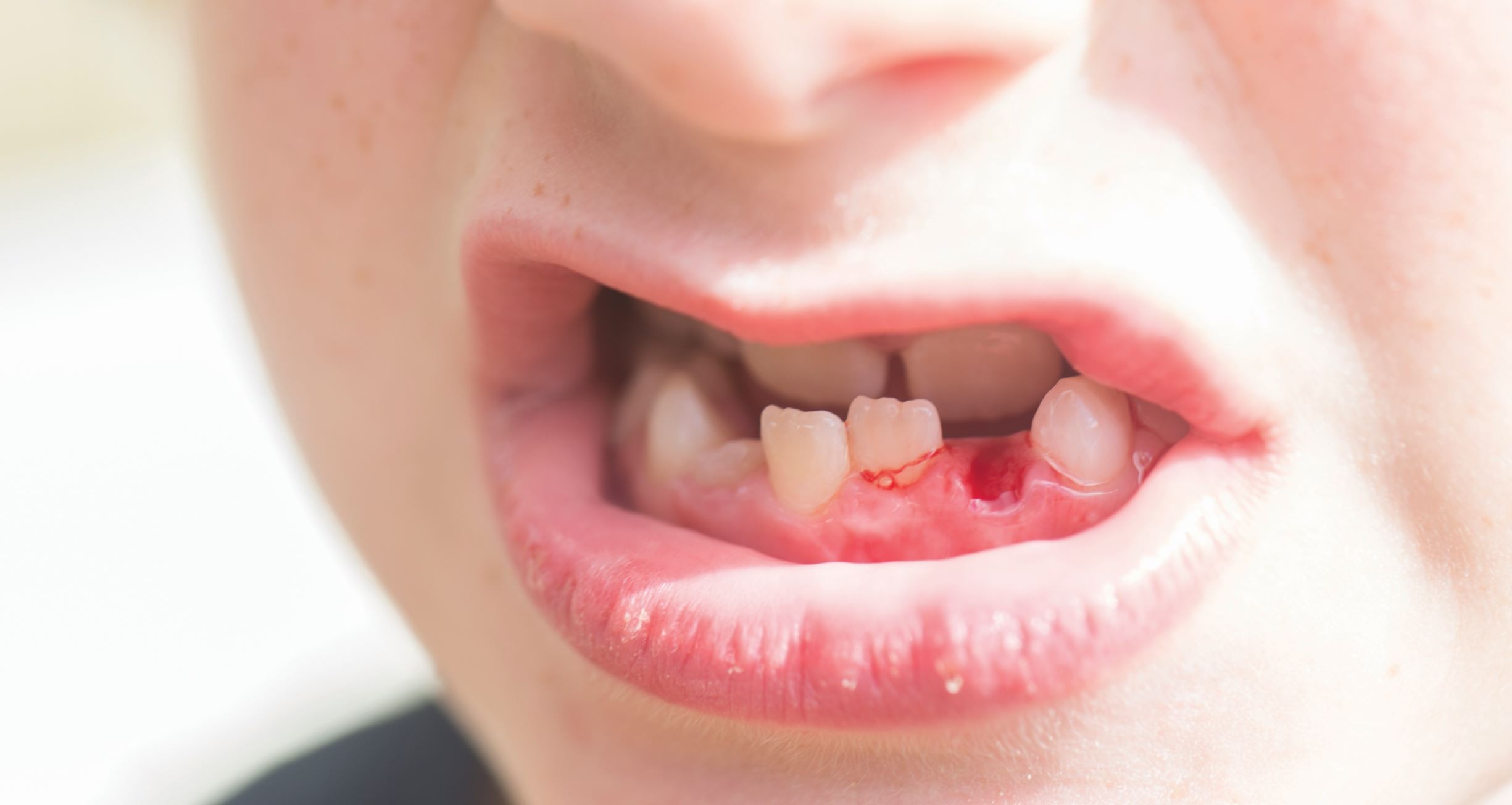
Video
Management of Traumatic Tooth Avulsion: When & How?
Traumatic tooth avulsion is a true dental emergency requiring immediate and structured management to...
Article
Prosthetic Design Factors That Prevent Peri-Implant Bone Loss
You placed the implant perfectly. Osseointegration was flawless. But three years later, there is 3mm...
Article
Treatment Algorithms for Peri-Implant Mucositis and Peri-Implantitis
You can prevent most peri-implant disease. But once it develops, treatment becomes less predictable....
Article
Implant Surface Decontamination: What Actually Works
Treating peri-implantitis starts with one critical step, which is decontaminating the implant surfac...
Article
Growth & Facial Asymmetry: When to Worry
Only a few dentists can notice it and realize the asymmetry can signal an underlying skeletal imbala...
Article
Orthodontic Red Flags Every Dentist Should Recognize: Functional Habits and Airway Cues
Some malocclusions cases stall for reasons you can’t see on a scan, as not...
Article
Tooth Eruption & Space Management: What Orthodontists Should Watch For
Tooth eruption may not alwaxfys fit the predictable biological timeline. A delayed or ecto...
Article
Communication & Referral Timing: Getting It Right
You have identified a problem, maybe a severe Class III malocclusion in a 9-year-old, or it is an im...