.jpg)
Article
Optimizing Instrumentation Efficiency in Minimally Invasive Root Canal Cleaning
Every dentist has faced that moment: the canal looks narrow, the root is curved, and you know every extra fraction of a millimeter removed could weaken the tooth. This is where Minimally Invasive Endodontics (MIE) becomes more than a philosophy — it becomes a skill. Instrumentation is often the step where clinicians either protect the tooth for decades or unknowingly compromise its future.
The goal is not just to shape the canal but to shape it strategically by removing what is necessary, preserving what is essential, and doing both with maximum efficiency.
1. Why Instrumentation Matters and Why It’s a Tightrope Walk
- In MIE, the mission is clear: clean thoroughly, preserve maximally.
- The pericervical dentin (PCD), the ring of dentin around the cementoenamel junction (CEJ), is crucial for long-term tooth strength1.
- But pushing files too aggressively can thin this vital region and increase fracture risk.
Clinical Insight: This step is a balance. The more aggressively you shape, the more you weaken the tooth — even if the canal looks perfect on the radiograph.
2. The Power of File Design — Go Smart, Not Big
- File choice is the cornerstone of conservative shaping.
- Recent evidence shows that thermally treated NiTi systems like TruNatomy offer greater flexibility and help maintain the original canal shape, supported by their 0.8 mm NiTi wire and variable/regressive taper design2.
- Micro-CT data shows that TruNatomy preserves more PCD than OneShape and ProTaper Gold, with significantly less dentin removal at 2 mm below the CEJ (P = 0.003). Prior studies also report that TruNatomy and XP-endo Shaper maintain canal anatomy better than bulkier systems3.
- Surprisingly, studies show no statistically significant difference in PCD preservation among fixed, regressive, or progressive tapers4.
What This Means: You don’t need ultra-conservative tapers to protect PCD. Smart design + correct technique are far more influential than the taper label printed on the box.
3. Motion Matters: Rotary vs Reciprocating
- Reciprocating systems (back-and-forth motion) are often valued for their better cyclic fatigue resistance, meaning they can endure stress for longer, reducing the risk of file separation5.
- However, according to micro-CT studies, rotary files produce smaller canal enlargement compared to reciprocating files6.
- In some cases, reciprocating files also resulted in greater debris accumulation than continuous rotary systems, which may affect cleaning efficiency7.
Why These Points Matter for Early-Career Dentists: Reciprocation offers greater safety through fatigue resistance, but it doesn’t always mean less dentin removal or better shaping. Choosing kinematics is a trade-off: you gain file longevity and lower breakage risk, but you may sacrifice some cleanliness or canal conservation in certain situations.
4. Technique & Strategy: Be Gentle but Thorough
Even the best file cannot fully substitute for a thoughtful technique — especially when your goal is cleaning without unnecessary damage. Here are clinician-proven principles and research-backed strategies:
- Use gentle pecking motions and avoid forceful apical pressure; this minimizes unwanted dentin removal.
- Recapitulation (periodically re-passing a smaller file) helps prevent debris packing and maintains working length.
- Advanced irrigation approaches, including warmed irrigants and ultrasonic activation have been shown to enhance cleaning efficiency and improve irrigant penetration within the canal system8.
- Activation of irrigants (e.g., ultrasonic or sonic) enhances debris removal and smear layer elimination more effectively than passive irrigation8.
Clinical Wisdom: Think of shaping as opening a delicate path, not drilling a tunnel. Slow, controlled movements always win.
5. Case Planning & Reflection
CBCT (when indicated) provides valuable insight into dentin thickness, anatomy, and curvature before choosing your file system.
Always document:
- The file system you picked
- The taper
- The reason behind each decision
Make reflection a habit — track discomfort, fractures, re-treatments, and long-term outcomes.
Why This Matters: MIE is technique sensitive. The more you document and reflect, the more predictable and safer your results become.
Key Take-Home Tips for Early-Career Dentists
- Favor heat-treated, regressive-taper NiTi files to conserve dentin.
- Use reciprocating systems whenever possible for maximum safety and structure preservation.
- Maintain a gentle, controlled technique with pecking + recapitulation + regular irrigation.
- Take a CBCT for complex anatomy and plan before you touch the file.
- Reflect on every case — MIE rewards clinicians who evolve with experience.
Reference
- Marvaniya J, Agarwal K, Mehta DN, Parmar N, Shyamal R, Patel J. Minimal invasive endodontics: a comprehensive narrative review. Cureus. 2022 Jun 16;14(6):e25984.
- Alarfaj B, Elsewify T, El-Sayed W, Eid B. Canal transportation and centering ability of thermally-treated NiTi files. Journal of International Dental and Medical Research. 2022 May 1;15(2):556-60.
- Patil A, Rajput R, Margasahayam VS, Naik D, Shah J, Surwade M. Comparative analysis of pericervical dentin reduction using three rotary file systems: A micro-computed tomography study. Journal of Conservative Dentistry and Endodontics. 2025 Apr 1;28(4):377-83.
- Shyma P, Mathew J, George L, Vineet RV, Paul S, Joy A. Comparative evaluation of pericervical dentin preservation and fracture resistance of root canal-treated teeth with rotary endodontic file systems of different types of taper–An in vitro study. Journal of Conservative Dentistry and Endodontics. 2023 Jul 1;26(4):429-33.
- De Pedro-Munoz A, Rico-Romano C, Sanchez-Llobet P, Montiel-Company JM, Mena-Alvarez J. Cyclic fatigue resistance of rotary versus reciprocating endodontic files: A systematic review and meta-analysis. Journal of Clinical Medicine. 2024 Feb 2;13(3):882.
- Chrisostomo DA, Danelon M, Furlan RD, Duarte MA, Mello-Moura AC, Duque C. Root canal instrumentation of artificial primary teeth with rotary and reciprocating files: a micro-CT analysis. Brazilian Oral Research. 2025 Nov 7;39:e116.
- Robinson JP, Lumley PJ, Cooper PR, Grover LM, Walmsley AD. Reciprocating root canal technique induces greater debris accumulation than a continuous rotary technique as assessed by 3-dimensional micro–computed tomography. Journal of Endodontics. 2013 Aug 1;39(8):1067-70.
- Iandolo A, Armogida NG, Mancino D, Spagnuolo G, Cernera M, Abdellatif D. Evaluation of Root Canal Cleaning and Irrigant Penetration Using Different Irrigation Protocols: A Combined SEM and Single‐Tooth Micro‐CT Study. Clinical and Experimental Dental Research. 2025 Aug;11(4):e70175.
Related Contents
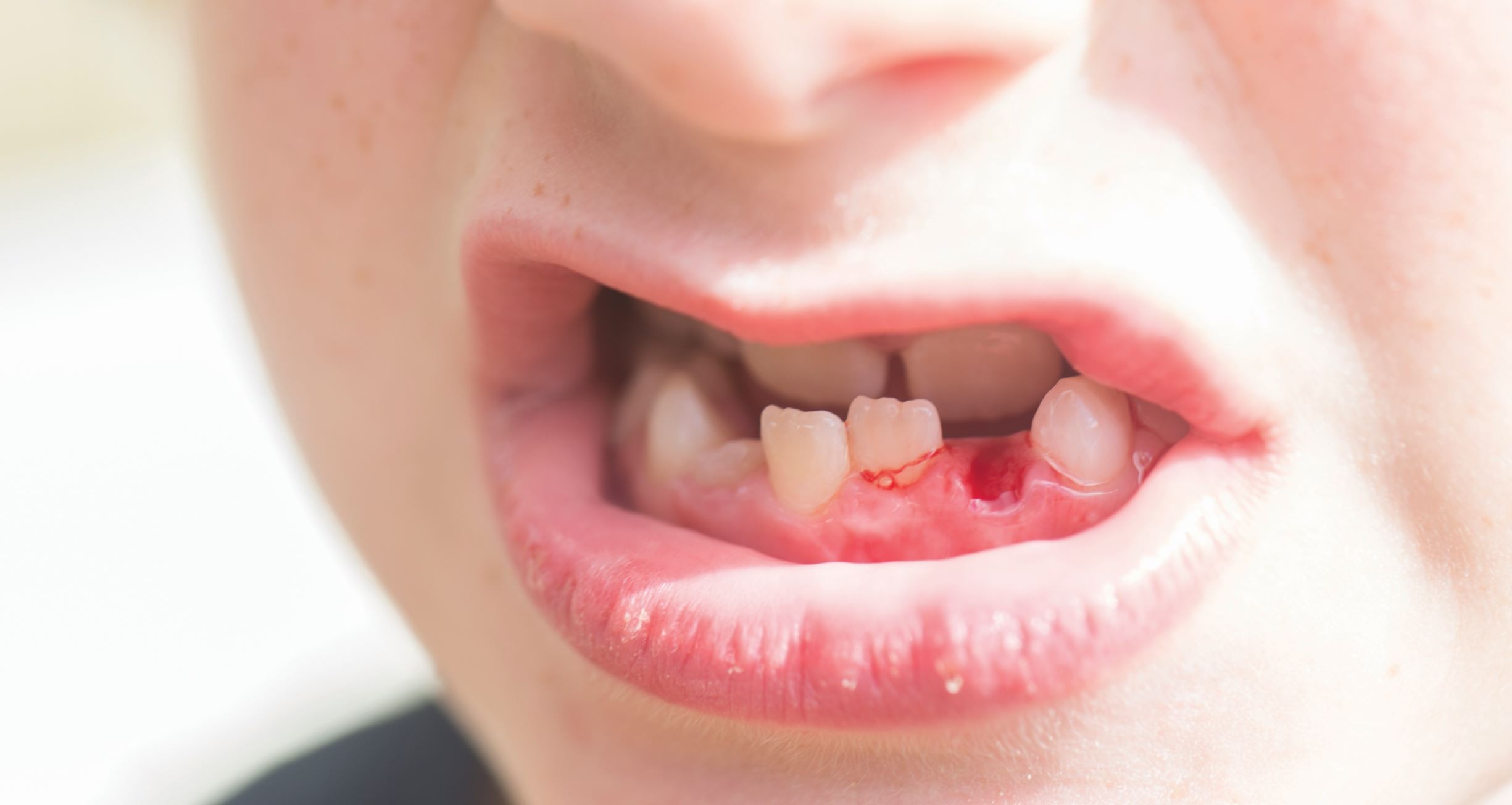
Video
Management of Traumatic Tooth Avulsion: When & How?
Traumatic tooth avulsion is a true dental emergency requiring immediate and structured management to...
Article
Prosthetic Design Factors That Prevent Peri-Implant Bone Loss
You placed the implant perfectly. Osseointegration was flawless. But three years later, there is 3mm...
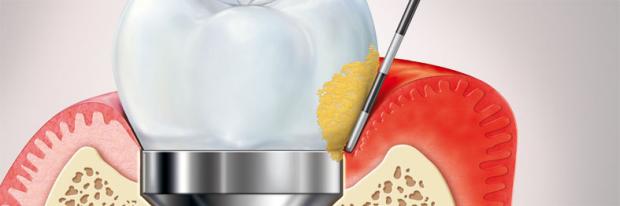
Article
Treatment Algorithms for Peri-Implant Mucositis and Peri-Implantitis
You can prevent most peri-implant disease. But once it develops, treatment becomes less predictable....
Article
Implant Surface Decontamination: What Actually Works
Treating peri-implantitis starts with one critical step, which is decontaminating the implant surfac...
Article
Growth & Facial Asymmetry: When to Worry
Only a few dentists can notice it and realize the asymmetry can signal an underlying skeletal imbala...
Article
Orthodontic Red Flags Every Dentist Should Recognize: Functional Habits and Airway Cues
Some malocclusions cases stall for reasons you can’t see on a scan, as not...
Article
Tooth Eruption & Space Management: What Orthodontists Should Watch For
Tooth eruption may not alwaxfys fit the predictable biological timeline. A delayed or ecto...
Article
Communication & Referral Timing: Getting It Right
You have identified a problem, maybe a severe Class III malocclusion in a 9-year-old, or it is an im...