
Article
Behavior Management Tools Beyond Tell-Show-Do
You’ve seen it, the teary eyes, the tight grip on the chair, the refusal to open their mouth. Childhood dental fear and anxiety can turn simple checkups into missed visits and a small cavity into a serious problem.
Tell-show-do is a familiar and effective behavioral management tool, but with anxious kids, it’s often not enough.
That’s why behavior management should go beyond tradition. Plan it in three stages: pre-treatment, during treatment, and post-treatment. It’s the simplest way to turn anxious kids into confident patients.
Now, let’s look at the ways to ease each treatment stage.
Pre-Treatment (Before the Procedure)
- Positive Pre-visit Imagery1: This is a simple yet powerful tool. Show kids and parents positive photographs or images of dentistry and dental treatment before the dental procedure. It helps them know what to expect, ask questions, and feel at ease.
- Virtual Reality (VR) & Augmented Reality (AR)2: AR and VR smartly manage pediatric anxiety. AR makes kids understand the tools in a fun and interactive way, while VR calms anxiety by creating a 360° virtual world in a clinical setting.
- Direct Observation3: Watching a video of another child bravely and calmly undergoing a dental procedure helps ease the fear and anxiety for both kid and parent.
During Treatment (In Dental Chair)
- Ask-Tell-Ask3: This is a three-step method where you start by asking how the child feels, then explain the procedure in easy language, and finally ask again if they understood and are comfortable. It helps identify fear early on and makes the entire process smoother for everyone.
- Mind-Body Therapies1: Mind-body therapies in children, including biofeedback, breathing exercises, and hypnosis, may help decrease pain and reduce anxiety in the clinical setting.
- Voice Control and Distraction Techniques1: Make the child feel safe by using calm, firm, and consistent language to guide them. Distraction techniques such as cartoon-assisted videos on ceiling screens or tablets, immersive VR, gamified dental apps, and sensory-adapted environments can help create a calmer environment.
- Parental Presence/Absence3: The presence or absence of a parent can make a significant impact. In most cases, the presence of a parent can be quite comforting; while in some cases it is the opposite. So, try to understand the child’s cue and make the decision accordingly.
Post-Treatment
- Positive Reinforcement & Descriptive Praise1: Positive Reinforcement is one of the easiest behavior tools to use. Don’t forget! A little reward can make a big difference. Motivate children for follow-up visits with either a toy or a sticker or a digital badge. Verbal praise, and celebratory gestures like high-five and fist bump can also encourage the child.
- Memory Restructuring3: This tool reshapes a negative experience into a positive one. Simple things like praise, visual reminders, storytelling or a small demonstration can help a child feel confident and relaxed for future visits.
Emerging Trends
- Animal-Assisted Therapy (AAT)4: It’s a goal-driven approach for managing dental anxiety in children. AAT appointments are scheduled with an animal in the treatment process. These animals reduce fear, create a calming environment, provide emotional support and are best suited for children with severe anxiety and special needs.
- Sensory-Adapted Dental Environments (SADE)5: This technique transforms the regular dental clinic into a child-friendly space. Dim light, soothing background music, tactile sensation, pleasant aroma, and fun ceiling projection like bubbles or fish, help kids feel safe, relaxed, and stress-free.
- Communication Techniques for Parents1: Bidirectional communication between the dental team and the parent is essential to ensure effective guidance of the child’s behavior. Using methods like ask-tell-ask, teach back, and motivational interviewing helps clinicians connect with children and their parents.
Quick Takeaways
- Multiple Techniques: TSD remains gold standard. Layer it with one pre-visit and one in-chair technique to make the visit more comfortable
- Be specific: Try to be genuine and descriptive when you praise the child to make them more cooperative.
- Adapt: Every child is different, try to mix up techniques, parental presence, and distraction tools as per their liking.
- Document: Make sure to add the notes on what worked to help use the same techniques during the next visit.
Final Takeaway
To conclude, it is not impossible to make children feel safe and confident during dental procedures. Just choose the right behavioral tool to create a better co-operative environment.
References:
- American Academy of Pediatric Dentistry. Behavior guidance for the pediatric dental patient. The reference manual of pediatric dentistry. 2020;1:296-8.
- Khan MK. Artificial Intelligence, Robots, Augmented, and Virtual Reality-Based Digital Modalities for Managing Anxiety and Uncooperative Behavior of Pediatric Dentistry Patients: Comprehensive Review. Archives of Medicine and Health Sciences.:10-4103.
- Dhar V, Gosnell E, Jayaraman J, Law C, Majstorović M, Marghalani AA, Randall CL, Townsend J, Wells M, Chen CY, Wedeward R. Nonpharmacological behavior guidance for the pediatric dental patient. Pediatric dentistry. 2023 Sep 15;45(5):385-410.
- Mutlu B, Keskin M, Kasımoğlu Y. Animal-Assisted Therapy in Dentistry: A Review. Essentials of Dentistry. 2025 Jul 10;4(1):1-9.
- Barve K, Padawe D, Takate V. Sensory adapted dental environment: improving dental visits for children with developmental disabilities. Acta Sci Dent Sci. 2024;8(6):5–9
https://master-session-video.s3.ap-southeast-1.wasabisys.com/Dentalnet-VetNet/PDF/Behavior%20Management%20Cue%20Card.pdf
Related Contents
Video
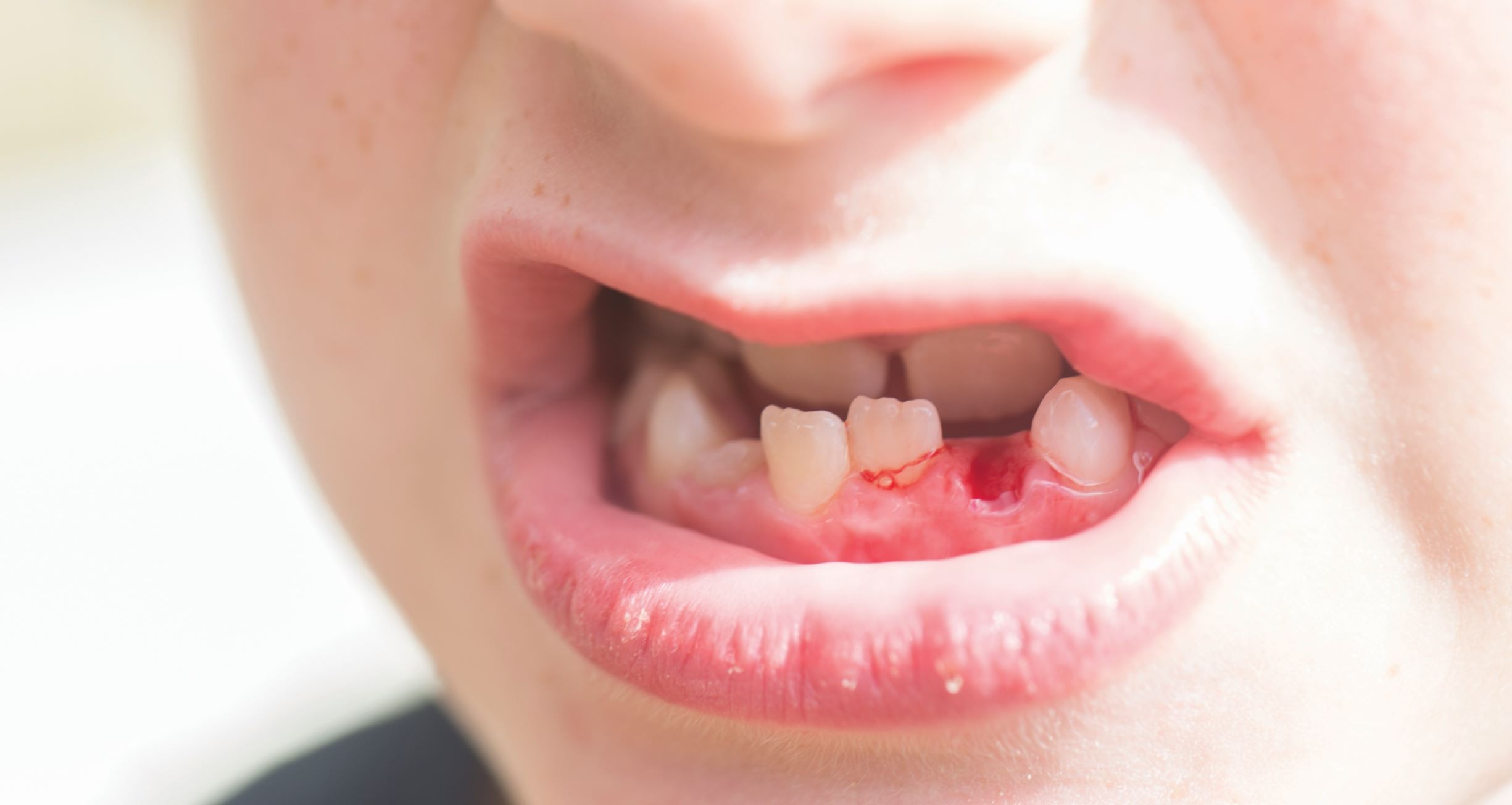
Management of Traumatic Tooth Avulsion: When & How?
Traumatic tooth avulsion is a true dental emergency requiring immediate and structured management to...
Article
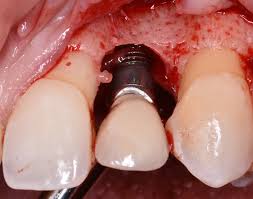
Prosthetic Design Factors That Prevent Peri-Implant Bone Loss
You placed the implant perfectly. Osseointegration was flawless. But three years later, there is 3mm...
Article
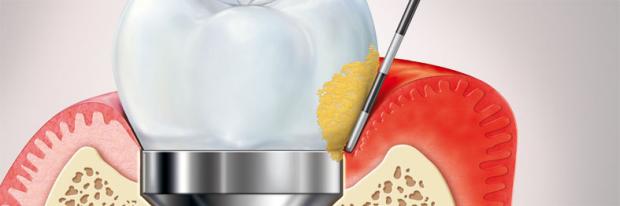
Treatment Algorithms for Peri-Implant Mucositis and Peri-Implantitis
You can prevent most peri-implant disease. But once it develops, treatment becomes less predictable....
Article
Implant Surface Decontamination: What Actually Works
Treating peri-implantitis starts with one critical step, which is decontaminating the implant surfac...

Article
Growth & Facial Asymmetry: When to Worry
Only a few dentists can notice it and realize the asymmetry can signal an underlying skeletal imbala...
Article
Orthodontic Red Flags Every Dentist Should Recognize: Functional Habits and Airway Cues
Some malocclusions cases stall for reasons you can’t see on a scan, as not...
Article
Tooth Eruption & Space Management: What Orthodontists Should Watch For
Tooth eruption may not alwaxfys fit the predictable biological timeline. A delayed or ecto...
Article
Communication & Referral Timing: Getting It Right
You have identified a problem, maybe a severe Class III malocclusion in a 9-year-old, or it is an im...