Article
The Hot Tooth Playbook (No More Guesswork)
A ‘hot tooth’ refers to a symptomatic, inflamed pulp, often in irreversible pulpitis that resists conventional local anaesthesia. These cases are a true test of your anaesthetic strategy.
Inflamed tissues lower pH, sensitize nociceptors and create accessory pathways. So, what works across difficult cases of symptomatic irreversible pulpitis? Let’s find out.
Why Standard Blocks Often Fail in Hot Tooth?
Inflamed pulp = anaesthetic resistance. Lower pH and altered nerve conduction in inflamed tissues make it harder for local anaesthetics to penetrate and numb effectively.
Here is how blocks act differently for a hot tooth.
- Mandibular IANB (conventional): success plummets to 44–56% in irreversible pulpitis vs. ~85% in other cases1.
- Gow-Gates & Vazirani-Akinosi: yield ~76–93% in non-inflamed cases, but drop similarly in hot molars due to the same pathophysiology.
- PSA block for maxillary molars: 77–95%, accessory innervation can reduce to ~75% in pulpitis2.
- ASA/infraorbital (canines/premolars): ~80–92% success, but thinner bone aids infiltration alone in many cases.
What Works For Hot Tooth?
Articaine Infiltration: The Universal Adjunct
Articaine’s thiophene ring improves lipid solubility and bone penetration, giving it a critical edge in hot teeth.
Clinical Impact
- A meta-analysis of 62 trials found that Articaine infiltration is 3.6 times more likely than lidocaine to produce pulpal anaesthesia in hot teeth1.
- For mandibular cases:
- Articaine doesn’t outperform lidocaine in the block itself.
- But for supplemental buccal infiltration, it has a significant advantage.
- In the maxilla:
- Buccal articaine infiltration significantly improves success over lidocaine3.
Onset & Duration
- Onset: Articaine = 6–7 min; Lidocaine = 9–10 min.
- Duration: Articaine = ~25 min (vs. Lidocaine ~50 min), but adequate for most endo access
Does More Volume Help? The 1.8 mL vs. 3.6 mL Articaine Debate
A common clinical question when managing “hot teeth” with symptomatic irreversible pulpitis is whether increasing the volume of anaesthetic improves success.
A randomized clinical trial put this to the test by comparing 1.8 mL versus 3.6 mL of 4% articaine (1:100,000 epinephrine) for inferior alveolar nerve block (IANB) and supplemental periodontal ligament (PDL) injections.
Here’s what they found:
- IANB success in pulpal anaesthesia was 27% for 1.8 mL vs. 42% for 3.6 mL, which was not statistically significant4.
- Pain-free pulpectomy was achieved in 64% vs. 73%, respectively.
- PDL injection “rescue” success was 75% with 1.8 mL, but only 42% with 3.6 mL, again not statistically significant.
Therefore, increasing the volume of articaine doesn’t significantly boost success in hot teeth cases.
Using more anaesthetic doesn’t necessarily result in better outcomes; clinicians should focus on technique, not just volume.
Supplemental “Rescue” Techniques When All Else Fails
If the block + infiltration combo doesn't provide full anaesthesia, escalate strategically:
Periodontal Ligament (PDL) Injection
- Adds anaesthesia in 69–75% of failed-block cases.
- Useful regardless of the initial block technique.
Intraosseous (IO) Injection
- Delivers direct access to cancellous bone vasculature.
- Success: 88% overall (91% mandible, 67% maxilla).
- Systems: X-Tip, Stabident.
Intrapulpal Injection
- Nearly 100% effective—but painful.
- Requires back pressure and is best used as a last resort when the pulp chamber is already accessed.
Protocol Cheat Sheet: Best Practices by Region
| Clinical Scenario | Recommended Approach |
|---|---|
| Mandibular hot molar | IANB (Gow-Gates/Vazirani optional) + 4% Articaine buccal infiltration |
| Maxillary molars | PSA block + buccal Articaine infiltration; add palatal or IO as needed |
| Anterior maxilla/premolars | ASA or AMSA + buccal infiltration; consider palatal block for supplement |
| Still painful post block + infiltration | Add PDL or IO injection; reserve intrapulpal as the final step |
Key Takeaways: Building a Predictable Anaesthetic Strategy
- Never rely solely on nerve blocks in inflamed teeth.
- Supplement every block with buccal articaine infiltration; it is your universal enhancer.
- Use PDL or IO as rescue steps, not as primary approaches.
- Intrapulpal works, but it is your last resort as it is high on the pain scale.
Final Takeaway
A hot tooth doesn’t have to mean a hot mess. By understanding why traditional techniques fail and how to layer anaesthesia methods effectively, you can transform challenging pulpitis cases into predictable successes.
Stay systematic. Stay evidence-based. Your patients (and your stress levels) will thank you.
References
- Kung J, McDonagh M, Sedgley CM. Does articaine provide an advantage over lidocaine in patients with symptomatic irreversible pulpitis? A systematic review and meta‐analysis. J Endod. 2015;41(12):1784–1794
- American Association of Endodontists. Successful Local Anesthesia: What Endodontists Need to Know [Internet]. Chicago: American Association of Endodontists
- Rogers BS, Botero TM, McDonald NJ, Gardner RJ, Peters MC. Efficacy of articaine versus lidocaine as a supplemental buccal infiltration in mandibular molars with irreversible pulpitis: a prospective, randomized, double-blind study. J Endod. 2014 Jun;40(6):753–8
- Silva SA, Horliana ACRT, Pannuti CM, Braz‑Silva PH, Bispo CGC, Buscariolo IA, Rocha RG, Tortamano IP. Comparative evaluation of anesthetic efficacy of 1.8 mL and 3.6 mL of articaine in irreversible pulpitis of the mandibular molar: a randomized clinical trial. PLoS One. 2019 Jul 31;14(7):e0219536. doi:10.1371/journal.pone.0219536.
Related Contents
Upcoming Event
No Scalpel, No Stress: Why Should You Practise Laser Dentistry
Today’s session, “No Scalpel, No Stress: Why Should You Practise Laser Dentistry,”...
Article
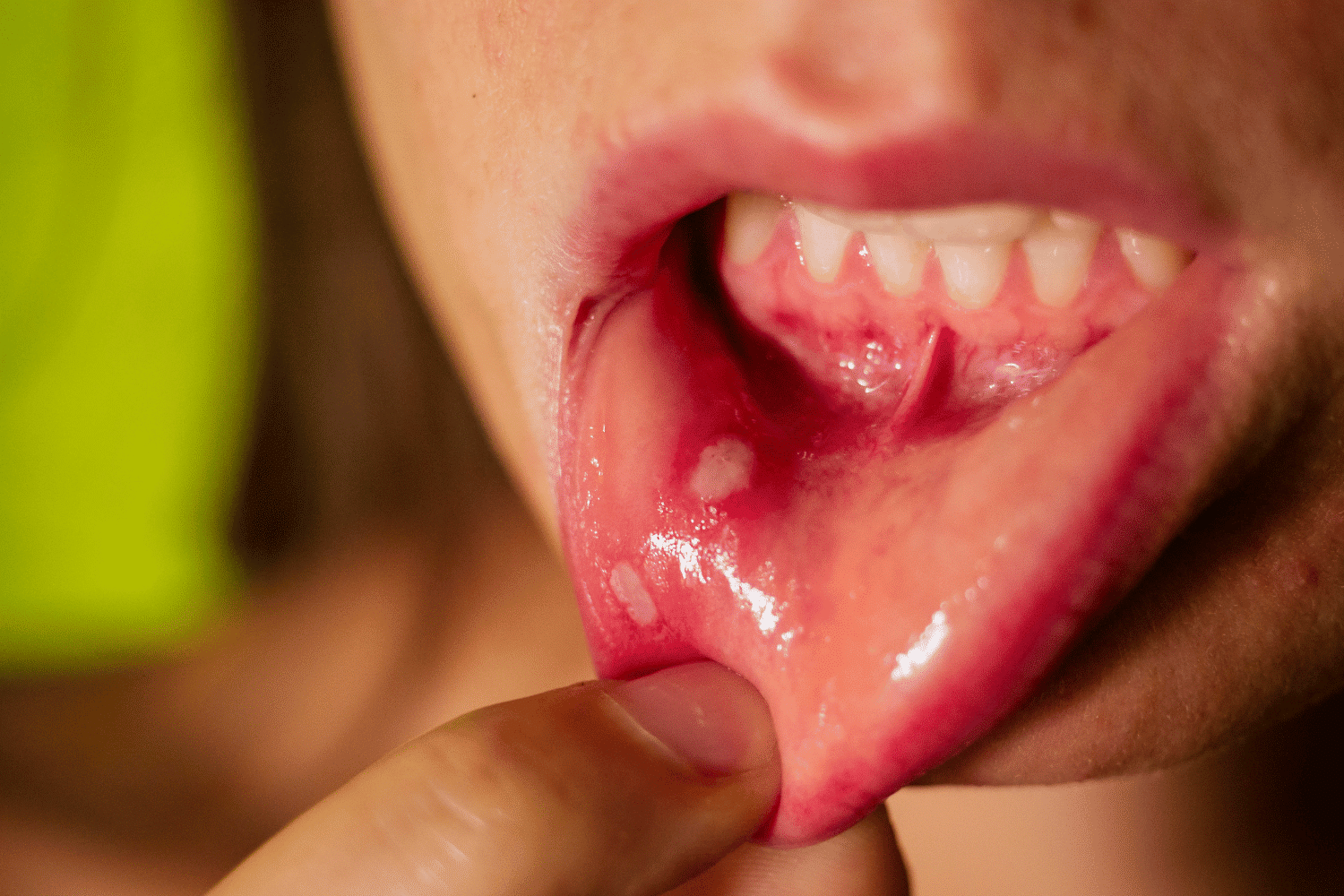
Oral Lesions Every Dentist Must Detect Early: Recognizing the Silent and Functional Signs
Oral lesions signal an underlying health issue. It could range from minor irritations to seriou...
.jpg)
Upcoming Event
Tooth and Implant Retained Mandibular Overdentures
Today’s webinar focuses on Tooth and Implant Retained Mandibular Overdentures, an approach...
Upcoming Event
From Brackets to Biofilm: Managing Plaque-Related Risks in Orthodontic Patients
Today’s webinar, “From Brackets to Biofilm: Managing Plaque-Related Risks in Orthodontic...
Upcoming Event
Management of Traumatic Tooth Avulsion: When & How?
Today’s discussion focuses on navigating one of dentistry’s most time-sensitive trauma s...
Upcoming Event
Manage the complications in minor oral surgery and flourish the pratice
Minor oral surgery often appears straightforward, yet unexpected situations can arise even in the...
Article
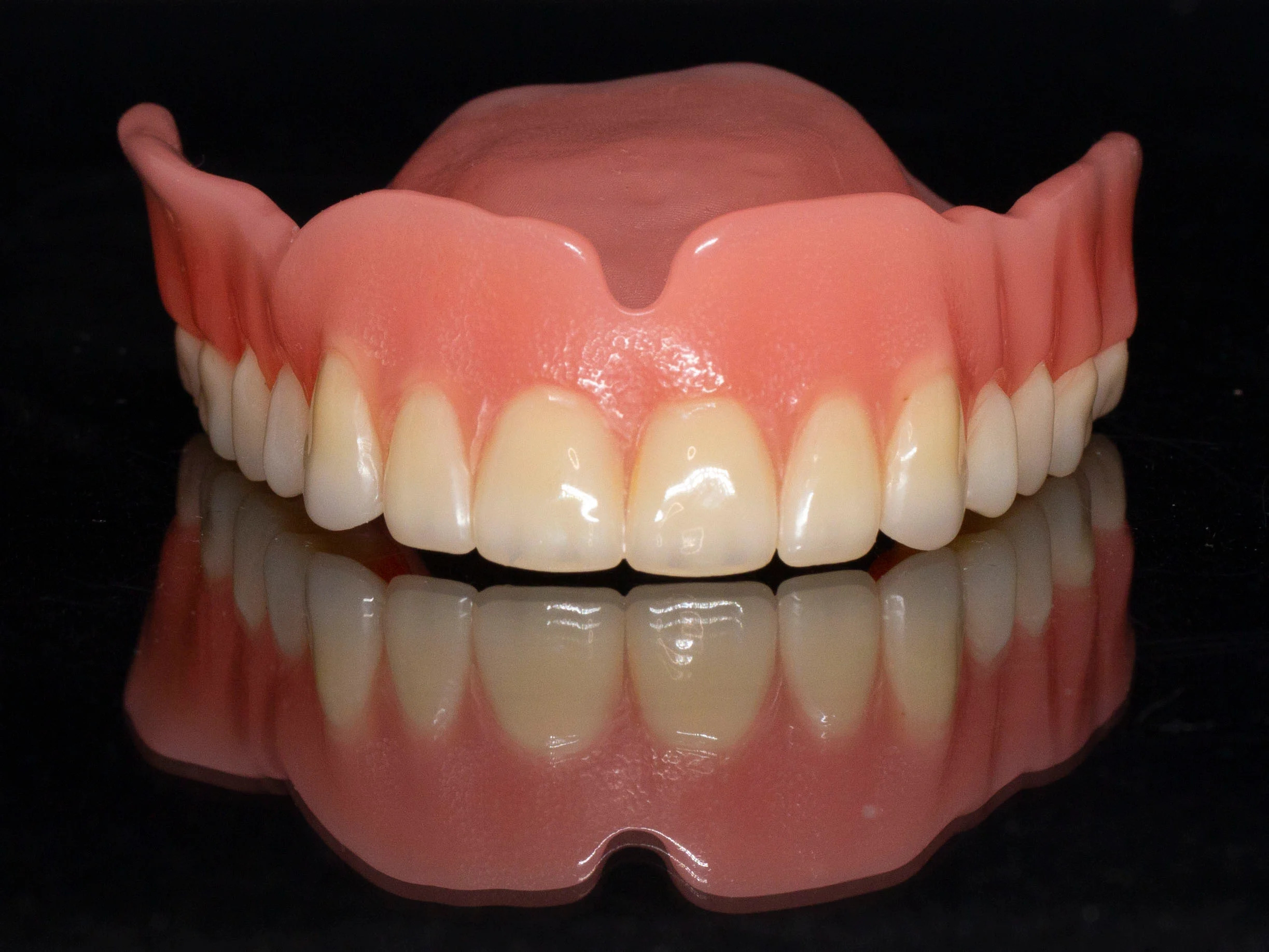
Designing Cast Partial Dentures for Predictable, Long-Term Success
What makes a cast partial denture last for decades? Is it the alloy, the precision of laboratory ste...
Article
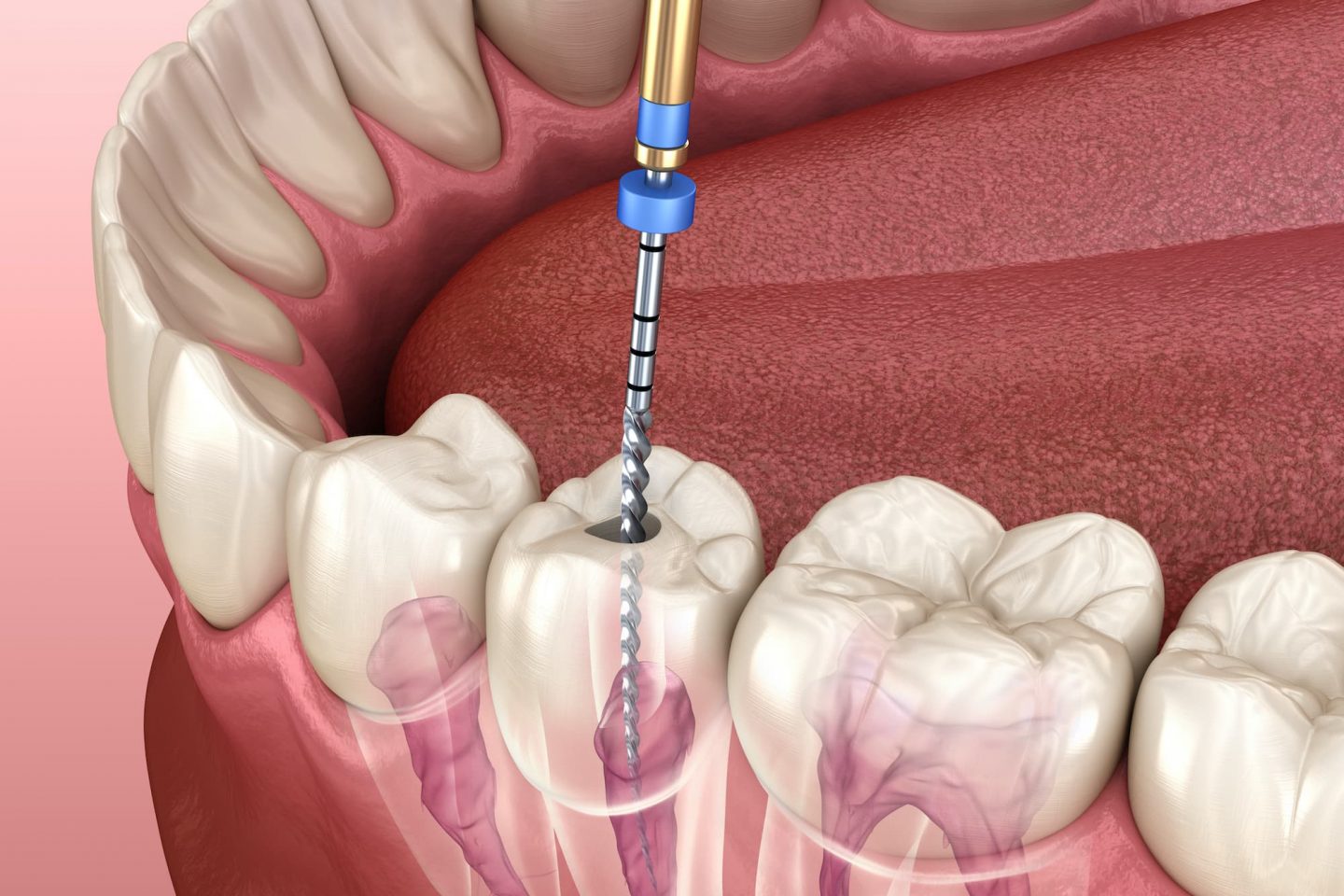
Mastering Minimally Invasive Root Canal Cleaning: Precision in Access & Canal Navigation
Imagine this: You’re about to start a root canal on a molar that looks deceptively simple on t...